10-10-2026
Russian air strikes killed at least 12 people, including three children, and wounded at least 14 in Ukraine’s Zaporizhzhia region, Ukrainian President Volodymyr Zelenskyy said. The attacks hit residential buildings in the early hours of Saturday, a day after US President Donald Trump announced an agreement for Russia to supply diesel to the United States. Zelenskyy argued that the deal would ease pressure on Moscow and help it prolong the war. He described it as a weak decision by US partners and said Russia would respond to it with further attacks. Trump said the diesel arrangement followed a phone call with Russian President Vladimir Putin. Under the stated terms, Russia would supply more than 300,000 tons immediately, followed by additional shipments, including 500,000 tons in November and a further one million tons thereafter. Trump also said three million tons would be delivered within a short period. The announcement contrasts with a Russia sanctions law Trump signed the previous month, intended to limit revenues supporting the war. Germany said it would keep its sanctions in place. The Kremlin said Putin received Trump’s proposals for de-escalating the conflict “with understanding,” but provided no details. The agreement was announced while Trump’s envoy Steve Witkoff and son-in-law Jared Kushner were meeting Ukrainian officials in Miami about a proposal to end the war. Zelenskyy said Ukraine’s team risked being used as a “smoke screen.” The report also notes that Russian-installed Luhansk governor Leonid Pasechnik claimed Ukrainian attacks killed four civilians and wounded five in Russian-controlled eastern Ukraine; Kyiv had not immediately commented. Ukraine was facing escalating Russian bombardments, which had killed more than 55 people over four days, including 33 in a bus-stop attack on Thursday.
Entities: Volodymyr Zelenskyy, Donald Trump, Vladimir Putin, Zaporizhzhia, Ukraine, Luhansk region • Tone: neutral • Sentiment: negative • Intent: inform
10-10-2026
The article reports that a Ukrainian drone strike set a fuel facility ablaze in Russia’s Rostov region, occurring hours after US President Donald Trump announced a deal with Russian President Vladimir Putin to ease diesel sanctions. The report places the strike in the immediate context of that announcement but does not say that the deal caused or was directly related to the attack. It attributes details about the drone response to the region’s governor, who said that more than 50 drones had been intercepted and that there were no injuries. The article provides no further information about damage to the facility, the number or origin of the drones beyond identifying the strike as Ukrainian, or the terms and implementation of the announced sanctions deal. Its brief account focuses on the timing of the diplomatic announcement and the strike, as well as the governor’s statements about interception and casualties. The headline emphasizes the close timing between the Trump-Putin diesel deal and the attack, while the body offers a concise description of the incident and its reported consequences.
Entities: Donald Trump, Vladimir Putin, Ukraine, Russia, Rostov region • Tone: neutral • Sentiment: negative • Intent: inform
10-10-2026
Russian President Vladimir Putin told US President Donald Trump in a phone call on Friday that an immediate resumption of peace talks with Ukraine was unlikely. According to Kremlin foreign policy aide Yuri Ushakov, Putin said Russia had been ready to resume negotiations after Russia’s parliamentary elections, but alleged Ukrainian drone attacks on Moscow, other cities, polling stations and election organisers had disrupted the possibility of quickly restarting trilateral talks involving Russia, Ukraine and the United States. Ushakov said Russia would assess when negotiations could resume.
The article presents differing signals about diplomacy. US Secretary of State Marco Rubio described the war as being in a dangerous stalemate and said the United States would continue working toward a deal. Ukrainian President Volodymyr Zelenskyy had said Ukraine was ready to participate in trilateral talks with the US and Russia during the month.
The call also produced an announcement by Trump that Russia had agreed to supply more than 300,000 tonnes of diesel to American and global markets. The proposed deal drew criticism from US lawmakers, Zelenskyy and European allies. Zelenskyy called it a “gift to Putin,” arguing that the money would support Russia’s war against Ukraine and that Ukraine’s team was being used as a smokescreen. A UK government spokesperson said Britain would continue applying pressure on Russia through what it described as its toughest-ever sanctions regime.
Entities: Vladimir Putin, Donald Trump, Yuri Ushakov, Marco Rubio, Volodymyr Zelenskyy • Tone: analytical • Sentiment: negative • Intent: inform
10-10-2026
The Al Jazeera Newsfeed item reports Ukraine’s warning that a diesel arrangement between Donald Trump and Vladimir Putin could provide Russia with additional funds to continue its war against Ukraine. The warning is attributed to Ukrainian President Volodymyr Zelenskyy. The headline characterizes the arrangement as a “Trump-Putin diesel deal” and says its proceeds could bankroll Russia’s war; the short description similarly links the deal to Russia’s ability to keep attacking Ukraine. The item places the dispute in the context of rising fuel prices amid what it describes as the US war on Iran. It therefore presents a connection between energy-market pressures and the financing of Russia’s military campaign, while foregrounding Ukraine’s objection to the reported deal. The supplied text does not explain the deal’s terms, how much money Russia might receive, or the mechanism by which the arrangement would affect Russian revenue. It also provides no response from Trump, Putin, or the Russian government, and no additional detail about the conflict with Iran or its effect on fuel prices. The article is a brief video/newsfeed item rather than a detailed report: its central point is Zelenskyy’s warning and the stated concern that Russia could use the resulting income to sustain attacks on Ukraine.
Entities: Ukraine, Donald Trump, Vladimir Putin, Volodymyr Zelenskyy, Russia • Tone: urgent • Sentiment: negative • Intent: warn
10-10-2026
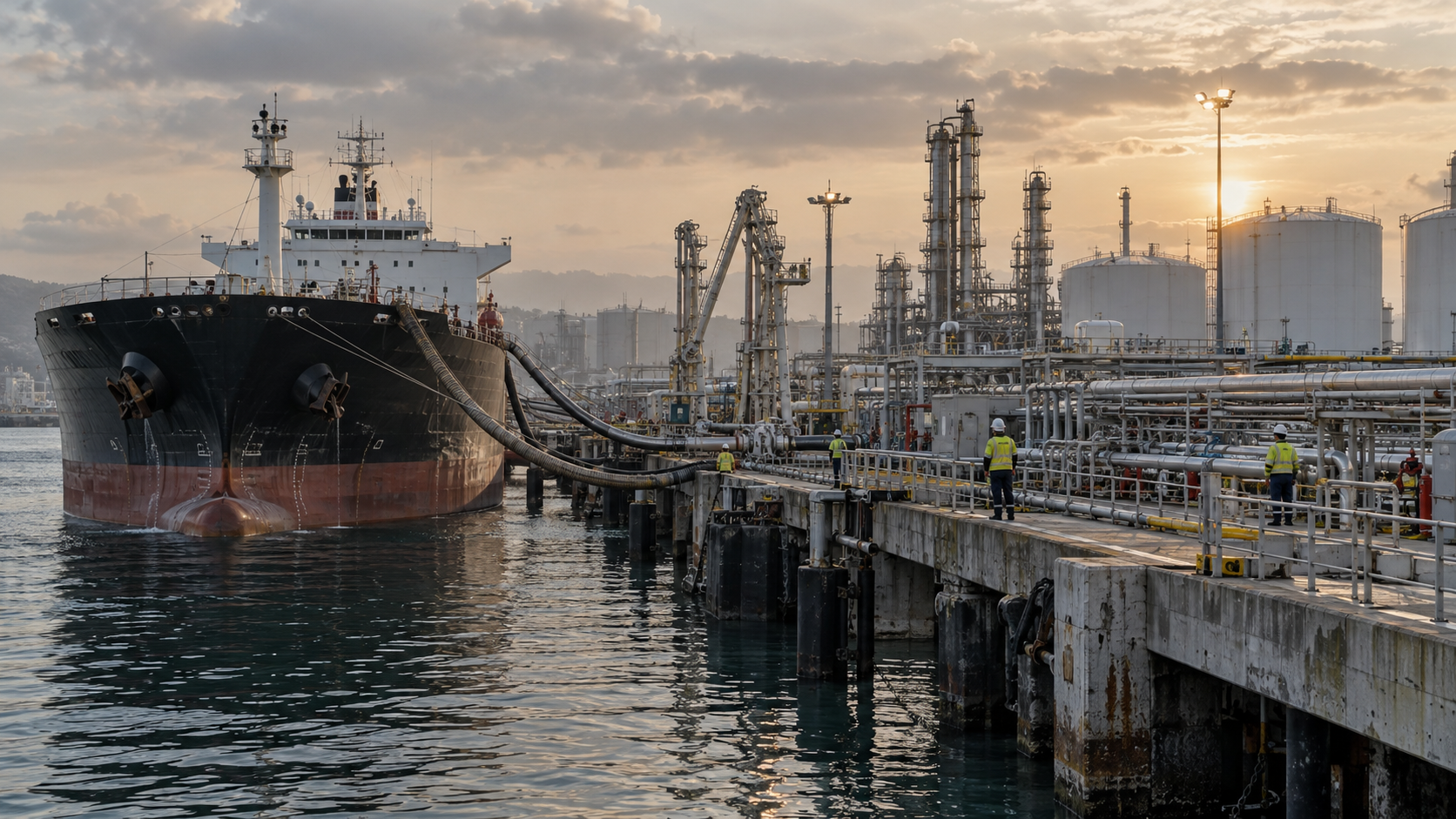
The article examines President Donald Trump’s announced agreement with Russian President Vladimir Putin to release Russian diesel for the US and global markets, despite US sanctions imposed over Russia’s war in Ukraine. Trump said Russia would supply more than 300,000 tonnes immediately, another 500,000 tonnes in November, and a further 1 million tonnes later, with additional deliveries potentially following. He argued that the supply, alongside US control of the Strait of Hormuz, would lower fuel prices, especially for American farmers, ranchers and truckers. Russia said it was willing to supply oil and petroleum products.
The deal comes amid a global diesel crunch driven by disruptions linked to the US-Israel war on Iran, the effective closure of the Strait of Hormuz, attacks on Saudi Arabia’s East-West Pipeline and Red Sea shipping, and strikes on energy infrastructure in Russia and Ukraine. The G7 has released emergency reserves, but analysts say that measure is temporary. In the US, diesel prices reached a record $6.52 per gallon in September and remain high. With the midterm elections approaching and economic concerns prominent among voters, Trump faces political pressure to bring prices down. The article notes that he has criticized Ukraine’s attacks on Russian fuel infrastructure but not treated Russia’s attacks on Ukraine’s energy system similarly.
The agreement also conflicts with sanctions, including a new US law targeting Russian energy buyers and authorizing tariffs on major importers. The Treasury Department nevertheless announced a temporary license allowing Russian diesel supplies to the global market. Analysts question whether Russia can fulfill Trump’s promised volumes: its exports have declined sharply, it has restricted diesel exports to protect domestic supply, and Ukrainian attacks have damaged its energy sector. The article ends while discussing the extent of those attacks, so it does not provide the remainder of that account.
Entities: Donald Trump, Vladimir Putin, United States, Russia, Ukraine • Tone: analytical • Sentiment: neutral • Intent: analyze
10-10-2026
US President Donald Trump announced that Russia would supply diesel to the United States and global markets, including an immediate shipment of 300,000 tonnes, followed by 500,000 tonnes in November and a further million tonnes. Trump also said another three million tonnes could be delivered soon, depending on the condition of Russian refineries. The US Treasury issued a temporary licence suspending sanctions on Russian diesel exports until 7 April, although other Russian assets in the US remain frozen. The BBC reports that the United States has not explained what Russia will receive in return.
Ukrainian President Volodymyr Zelensky condemned the agreement as a “gift to Putin” and an investment in a war that should be ended. He warned that Russia would repay the deal with “further terror” and defended Ukrainian attacks on Russian refineries as a response to Russia’s strikes on Ukraine’s energy infrastructure. Putin confirmed Russia’s willingness to supply oil and petroleum products, while his envoy welcomed the cooperation.
Analysts questioned whether Russia can deliver the promised quantities and whether the shipments would materially lower US fuel prices. One strategist said the first tranche was small compared with daily US diesel consumption and described the announcement as a potentially desperate attempt to curb inflation before the midterm elections. US diesel prices have risen amid the Iran war, while Brent crude remains well above its pre-war price. Russian diesel production has also fallen sharply following Ukrainian drone strikes and domestic fuel shortages.
The agreement marks a reversal in US policy, coming after Congress authorized new sanctions and tariffs targeting countries importing Russian oil and gas. It risks criticism from European allies and US supporters of Ukraine, who argue that energy purchases could help fund Russia’s war. The article places the announcement within Trump’s broader efforts to reduce fuel costs ahead of elections, including considering a gasoline-tax suspension and easing rules on red-dye diesel, alongside G7 releases from strategic stockpiles. The deal’s terms and its effect on prices remain uncertain.
Entities: Donald Trump, Volodymyr Zelensky, Vladimir Putin, United States, Russia • Tone: analytical • Sentiment: negative • Intent: analyze
10-10-2026
Donald Trump’s announcement that Russia will supply hundreds of thousands of tons of diesel fuel to the United States and global markets marks a sharp reversal from his recent policy of imposing sanctions and tariffs on countries that buy Russian energy. The deal comes as the Iran war has driven up fuel and consumer prices, worsening inflation and creating political risks for Republicans ahead of the November midterm elections.
Higher diesel costs have hit agricultural states particularly hard because farms, trucking and transport depend on the fuel. States including Iowa, Kansas, Texas and Ohio have become important electoral battlegrounds, raising the stakes for Trump’s efforts to reduce prices. His administration has taken several steps to ease the pressure, including urging European allies to use oil reserves, suspending federal fuel taxes and allowing some farm-designated fuel to be used for interstate trucking. Trump has also said he will not renew attacks on Iran before the midterms, openly acknowledging the conflict’s political consequences.
The Russia deal could draw criticism because it may provide Moscow with hard currency and help fund its war effort. Ukrainian President Volodymyr Zelensky condemned it as a “gift” to Vladimir Putin. The arrangement’s terms and delivery details remain unclear, as does its likely effect on prices. Russia’s diesel-refining capacity has been damaged by Ukrainian strikes, and the promised 300,000 tons would equal only about half of US diesel consumption for a single day. The earlier European fuel release also failed to significantly move prices.
With early voting under way and less than a month until the election, the deal may arrive too late to substantially change voters’ experience of high costs. Energy and consumer prices have risen for months despite repeated assurances of relief. Trump is therefore relying on the announcement to persuade voters that lower prices are coming, even as the economic and diplomatic effects remain uncertain.
Entities: Donald Trump, Vladimir Putin, Volodymyr Zelensky, United States, Russia • Tone: analytical • Sentiment: negative • Intent: analyze
10-10-2026
Russian glide bombs struck residential areas in Zaporizhzhia on Saturday morning, killing at least 15 people, including three children, according to Ukrainian President Volodymyr Zelensky and emergency services. At least 16 people were injured, while others remained missing and were believed to be trapped beneath rubble. Images from the scene showed an apartment block largely destroyed. Acting Mayor Regina Kharchenko said the building’s ground floor had been hit, causing the floors above to collapse. More than 80 workers were involved in search-and-rescue efforts, pausing regularly to listen for signs of survivors.
Zelensky said 13 other Ukrainian regions had also been attacked overnight and warned that Ukraine would respond. He argued that easing pressure on Russia encourages it to continue the war, and criticized a recently announced deal by US President Donald Trump to import Russian diesel, describing it as support for President Vladimir Putin and a war that should be ended.
The attack comes amid an increase in Russian strikes causing civilian casualties. Zaporizhzhia, a regional centre of more than 700,000 people, lies less than 10 miles from the front line and is frequently targeted. The article also cites recent attacks in which 33 people were reportedly killed in strikes on civilian buses in Kramatorsk and 22 people, including five children, died when a missile hit an apartment block in Pryluky. The UN reported a 55% rise in civilian casualties during the first eight months of the year.
Russia has repeatedly targeted Ukrainian energy infrastructure, particularly during winter, while Ukraine has also struck infrastructure in Russia, including data centres owned by Yandex. The report places the Zaporizhzhia casualties within the broader escalation of attacks as the war continues.
Entities: Zaporizhzhia, Volodymyr Zelensky, Regina Kharchenko, Donald Trump, Vladimir Putin • Tone: analytical • Sentiment: negative • Intent: inform
10-10-2026
Russian strikes killed at least 15 people in Ukraine’s Zaporizhzhia region on Saturday, including three children, and wounded at least 16 others, according to Ukrainian officials. The attack came as Ukraine faced an intensifying Russian bombardment: more than 60 people had been killed across the country over the preceding four days. The article describes the strikes as part of a continuing long-range aerial war, while ground forces remain largely deadlocked more than four and a half years after Russia’s full-scale invasion.
The attack coincided with U.S. President Donald Trump’s announcement of a deal for Russia to supply diesel to the United States. Trump said Russia would initially provide more than 300,000 tons, followed by further deliveries in November and subsequent months. The announcement, made after a call with Russian President Vladimir Putin, contrasted with U.S. sanctions intended to restrict Russian oil and gas revenues. Trump presented the deal as a response to high fuel prices ahead of U.S. midterm elections.
Ukrainian President Volodymyr Zelenskyy condemned the agreement, arguing that easing pressure on Russia would help fund its war and encourage further attacks. He said Russia’s bombing of Zaporizhzhia followed the lifting of sanctions on diesel exports and warned that the deal could allow Moscow to continue fighting, kill more people, and show less respect for the United States. Zelenskyy also criticized the timing: while U.S. envoy Steve Witkoff and Jared Kushner were meeting Ukrainian officials in Miami to discuss a proposal to end the war, he said Ukraine’s team risked being used as a “smoke screen.”
The article also notes a recent deadly Russian attack in Kramatorsk and U.S. Secretary of State Marco Rubio’s warning that the conflict could escalate into a broader regional war involving NATO countries.
Entities: Zaporizhzhia, Ukraine, Russia, Ukraine, Donald Trump, Volodymyr Zelenskyy • Tone: analytical • Sentiment: negative • Intent: inform
10-10-2026
Russian strikes on residential buildings in Ukraine’s Zaporizhzhia region killed at least 15 people, including three children, and wounded at least 16, Ukrainian officials said. The attack involved five Russian glide bombs and came amid an intensified aerial campaign that Ukrainian authorities say has killed more than 60 people over four days. The fighting continues despite largely deadlocked front lines, more than four and a half years after Russia’s full-scale invasion.
The strikes occurred one day after President Donald Trump announced an arrangement for Russia to supply diesel to the United States. Trump said the agreement followed a phone call with Russian President Vladimir Putin and would provide more than 300,000 tons immediately, with further deliveries planned. The Treasury Department also temporarily waived sanctions on Russia’s energy sector to permit diesel exports. The move contrasts with a sanctions law Trump signed the previous month that targeted Russian oil and gas revenue, and the article describes the agreement as an effort to address high fuel prices ahead of U.S. midterm elections.
Ukrainian President Volodymyr Zelenskyy condemned the decision, arguing that easing pressure would encourage Moscow to continue its attacks and prolong the war. He called the agreement a weak decision by partners and said it would benefit Russia. Ukrainians interviewed at a memorial in Kyiv expressed anger and resignation, accusing Trump of prioritizing fuel prices and electoral considerations over Ukraine’s destruction.
The announcement also coincided with Trump envoy Steve Witkoff and his son-in-law Jared Kushner meeting Ukrainian officials in Miami to discuss a proposal to end the war. Zelenskyy said he felt Ukraine’s team was being used as a “smoke screen,” underscoring the strain the diesel deal has introduced into U.S.-Ukraine relations.
Entities: Volodymyr Zelenskyy, Donald Trump, Vladimir Putin, Oleksandr Petrenko, Steve Witkoff • Tone: analytical • Sentiment: negative • Intent: inform
10-10-2026
Russian President Vladimir Putin conveyed Iran’s view of a possible resolution to the war to U.S. President Donald Trump, according to Russian state media. Kremlin spokesman Dmitry Peskov reportedly said Putin relayed the message with the agreement of Iranian President Masoud Pezeshkian. Russian outlets said the call followed a meeting between Putin and Pezeshkian at a summit in Turkmenistan. The reports did not explain what Iran considers an acceptable end to the conflict, which began on Feb. 28 with U.S. and Israeli airstrikes. The White House had not confirmed the reported conversation when CNBC sought comment.
The report followed Trump’s announcement that Russia would supply more than 4 million tons of diesel to global markets under an arrangement he said he reached with Putin. Trump outlined an initial delivery of more than 300,000 tons, followed by 500,000 tons in November, then 1 million tons and a further 3 million tons, subject to the condition of Russian refineries. The U.S. Treasury Department temporarily waived sanctions on Russian diesel through April 2027.
The proposed supply comes amid disrupted energy markets and higher fuel prices. Iran has intensified attacks on oil tankers in the Strait of Hormuz, while a senior Iranian Revolutionary Guard official said the country would block “illicit routes” through the waterway. Middle Eastern crude exports had recovered to prewar levels in September, in part after U.S. forces escorted ships near Oman. A June interim agreement between the U.S. and Iran to pause hostilities and permit negotiations quickly broke down.
Ukrainian President Volodymyr Zelenskyy condemned the diesel arrangement, arguing that easing sanctions without Russian de-escalation would prolong the war. Diesel supplies have been constrained by Ukrainian attacks on Russian refineries and attacks on Middle Eastern refineries by Iran and its Houthi allies. Trump also faces domestic pressure to reduce fuel prices before November’s midterm elections, including from farmers in competitive states such as Iowa.
Entities: Vladimir Putin, Donald Trump, Masoud Pezeshkian, Dmitry Peskov, Volodymyr Zelenskyy • Tone: analytical • Sentiment: negative • Intent: inform
10-10-2026
President Donald Trump announced an agreement for Russia to supply diesel fuel to the global market, saying the shipments would help bring down record-high prices. The announcement represents an apparent shift from U.S. efforts to pressure Moscow over its war in Ukraine by restricting Russian energy sales. Critics noted that it came only three weeks after Trump signed the Lindsey O. Graham Sanctioning Russia and Iran Act of 2026, which authorizes tariffs of up to 100% on major purchasers of Russian oil or gas and provides other restrictions.
Criticism came from both parties. Cato Institute vice president Scott Lincicome questioned how the new approach fit with the law, while Democratic Sen. Richard Blumenthal said it contradicted Congress’s intent. Georgetown scholar Peter Harrell argued the decision demonstrated that the law would not necessarily compel the administration to increase economic pressure on Moscow. Republican Rep. Michael McCaul said he understood the desire to lower diesel prices but warned that easing sanctions could finance Russia’s war.
Trump had previously sanctioned Russian oil companies over what his administration called Moscow’s lack of commitment to peace talks, and had criticized NATO allies for buying Russian energy. Under the new arrangement, Russia is to supply more than 300,000 tons of diesel immediately, 500,000 tons in November, another 1 million tons afterward, and potentially 3 million more depending on refinery conditions. The Treasury Department said the Office of Foreign Assets Control would issue a temporary general license authorizing the transactions for about six months, through April 7.
Russia’s side welcomed the agreement. Ukrainian President Volodymyr Zelenskyy, however, said easing sanctions without a clear, lasting de-escalation agreement played into Russia’s hands and amounted to an investment in a war that should be ended. Trump said the world needed the diesel and thanked Russian President Vladimir Putin for enabling oil supplies. The administration had previously granted narrower, 30-day waivers for Russian oil already in transit during market disruption following the Iran war. Wharton professor Jeremy Siegel called the new arrangement a short-term measure, not a permanent solution, and criticized the easing of sanctions related to the invasion of Ukraine.
Entities: Donald Trump, Vladimir Putin, Volodymyr Zelenskyy, Kirill Dmitriev, Richard Blumenthal • Tone: analytical • Sentiment: negative • Intent: analyze
10-10-2026
Russian strikes on the southeastern Ukrainian city of Zaporizhzhia killed at least 15 people, including three children, and injured 16 others, according to Ukraine’s State Emergency Service (DSNS). Ukrainian police said Russian forces attacked residential areas early Saturday with five guided aerial bombs; two hit apartment blocks. One bomb completely destroyed the entrance to a three-storey building, while other buildings and private homes were damaged. Emergency crews extinguished a fire and continued clearing rubble and searching for people as rescue operations remained underway. Regional governor Ivan Fedorov said medical staff were working to help the injured.
Separately, Ukraine’s air force reported that Russia launched 160 drones overnight. It said air defences had shot down or neutralised 117 drones by 9 a.m., including Shahed and Gerber types, and that strikes had been recorded at 14 locations.
The article also reports a dispute over a US announcement concerning Russian fuel exports. President Donald Trump said he had spoken with Russian President Vladimir Putin and that Russia would immediately supply more than 300,000 tons of diesel fuel to the American and global markets, with further deliveries expected. Ukrainian President Volodymyr Zelenskyy condemned the agreement as “gifts to Putin,” arguing that allowing Russia to sell petroleum products would fund a war that should be ended rather than prolonged. He called instead for reciprocal de-escalation with Russia. The report thus covers both the civilian toll and rescue response after the Zaporizhzhia attack, and the wider political controversy over a proposed Russian diesel supply deal.
Entities: Zaporizhzhia, Ukraine, Russia, Ivan Fedorov, Volodymyr Zelenskyy • Tone: neutral • Sentiment: negative • Intent: inform
10-10-2026
France 24 reports that US President Donald Trump said he had secured Russia’s agreement to make a major release of diesel. The report links the announcement to Trump’s decision to ease war-related sanctions on Moscow and to efforts to reduce energy costs ahead of US midterm elections. The headline likewise presents the deal as politically significant because the elections are approaching.
The material provided is a short video-page description, not a full transcript or detailed article. It does not specify how much diesel would be released, when or where the release would occur, which sanctions were eased, or the terms of Russia’s agreement. It also provides no response from Russian officials, Ukraine, or other parties, and offers no independent assessment of the deal’s likely effect on fuel prices. Although Volodymyr Zelensky and Vladimir Putin appear among the page’s keywords, the supplied description does not discuss either of them. Accordingly, the report’s central information is limited to Trump’s claim and the stated connection between the agreement, sanctions policy, energy costs, and the approaching midterms.
Entities: Donald Trump, Russia, Moscow, United States, diesel release • Tone: neutral • Sentiment: neutral • Intent: inform
10-10-2026
The supplied page presents an NPR report about a diesel agreement touted by the United States and Russia as a way to ease sanctions and reopen fuel flows. The article’s preview says the deal has been announced without enough detail to clarify its terms or consequences. In particular, it leaves open questions about how the agreement might affect prices and what it signals about U.S. policy. The preview also reports that the deal has sparked anger in Ukraine and among U.S. allies.
The material provided does not include the full article: it contains the headline, a short description, publication information, and audio-player and site elements, but no further reporting or explanation. As a result, it is not possible to establish the specific provisions of the deal, the parties’ reasoning, the expected scale or timing of reopened fuel flows, or the responses of Ukrainian and allied officials. Nor does the supplied text say how sanctions would be changed or whether the agreement would be implemented.
Based only on the available description, the story’s central focus is the contrast between the diplomatic claims surrounding the agreement and the uncertainty created by its limited disclosure. The preview frames the deal as consequential for fuel markets and U.S. policy, while emphasizing that Ukraine and allies object to it. These points suggest an analytical and cautious report rather than a definitive account of the agreement’s effects. Any more specific conclusions would require the complete article, which is not present in the provided content.
Entities: United States, Russia, Moscow, Washington, Ukraine • Tone: analytical • Sentiment: negative • Intent: inform
10-10-2026
Australia says it will continue to bar imports of Russian fuel, despite US President Donald Trump’s plan to release Russian diesel into global markets. Australian Climate Change and Energy Minister Chris Bowen said the country neither needs nor wants Russian fuel and does not want Russian President Vladimir Putin to benefit from the war. He said the United States’ decision was a matter for Washington, but Australia would not change its approach. The article describes Trump’s announcement as involving an initial series of cargoes totalling about 13.5 million barrels, beginning in October. Trump is working with Putin to make Russian diesel supplies available, reversing years of sanctions as the White House seeks to curb rising fuel prices ahead of the US midterm elections. Bowen also cited Australia’s fuel reserves: the country had 43 days’ worth of petrol, two days more than a week earlier, and 31 days’ worth of diesel, one day less. The article presents Australia’s continued import ban as a policy choice intended to prevent revenue from benefiting Moscow’s war effort, while noting that the country’s reported reserves mean it has no need to turn to Russian fuel.
Entities: Australia, Chris Bowen, Donald Trump, Vladimir Putin, Canberra • Tone: analytical • Sentiment: neutral • Intent: inform
10-10-2026
Russian attacks killed at least 17 people in Ukraine’s Zaporizhzhia region, including three children, according to Ukrainian officials. The State Emergency Service said Russian aerial bombs struck residential buildings, wounding at least 18 others. Separately, Russian missiles hit Kyiv during a daytime attack on Saturday, leaving four people wounded, according to the city’s mayor, Vitalii Klitschko.
The attacks came a day after US President Donald Trump announced a deal to buy Russian diesel. Kyiv warned that the purchase could help finance Moscow’s war in Ukraine. The article notes that the diesel deal contrasted with a sweeping Russia sanctions law Trump had signed the previous month, intended to constrain Russia’s oil and gas revenues.
The strikes are part of an ongoing long-range aerial war between Russia and Ukraine. Although both sides continue attacks from the air, their armies remain largely deadlocked along the front line, more than four and a half years after Russia began its full-scale invasion. Ukraine is facing increasingly intense Russian bombardments; the article reports that more than 60 people have been killed in attacks over the preceding four days. The report presents the casualties, the diesel deal and the sanctions policy as developments unfolding at the same time, without offering further detail about the deal’s terms or the attacks’ military objectives.
Entities: Russia, Ukraine, Zaporizhzhia region, Kyiv, Donald Trump • Tone: neutral • Sentiment: negative • Intent: inform
10-10-2026
Germany said it would continue to support sanctions against Russia over the war in Ukraine, despite US President Donald Trump’s announcement that his administration had temporarily lifted sanctions on Russian fuel. Government spokesperson Stefan Kornelius said Germany had taken note of the US decision concerning Russian diesel deliveries, but that Berlin remained committed to existing sanctions and was working with European partners on further measures. He also said Germany’s support for Ukraine was unchanged and that diplomatic efforts to find a solution would continue.
Trump said Russia had agreed to supply diesel to global markets as a way to lower fuel prices. His administration’s temporary easing of sanctions was intended to allow Russian fuel deliveries. Diesel prices had climbed to near-record levels. Because diesel is used in agriculture, home heating and trucking, the price increases could affect many sectors. They also pose a political risk for Trump’s fellow Republicans ahead of the November 3 congressional elections, which will determine whether the party retains its narrow control of Congress.
The article also notes that German Chancellor Friedrich Merz had visited Kyiv the previous weekend and had repeatedly pledged that Germany would not reduce its support for Ukraine’s government. Germany is identified as Ukraine’s largest European donor. Overall, the report contrasts the US decision to ease fuel sanctions temporarily with Germany’s stated commitment to maintain sanctions and continue supporting Ukraine.
Entities: Germany, Russia, Ukraine, Donald Trump, Stefan Kornelius • Tone: analytical • Sentiment: neutral • Intent: inform
10-10-2026
A call between Russian President Vladimir Putin and US President Donald Trump lasted about 90 minutes and was described by Kremlin foreign policy aide Yuri Ushakov as “very substantive and friendly.” Ushakov said neither president wanted to end the conversation first and that they hung up simultaneously. The Kremlin said the discussion focused mainly on efforts to resolve the war in Ukraine, though Putin played down the prospect of three-way peace talks resuming soon.
The leaders reportedly agreed that Russia would supply diesel to the United States and global markets in an effort to lower fuel prices. The agreement prompted a temporary easing of US sanctions on Russian fuel, a move that dismayed Ukraine. Ukrainian President Volodymyr Zelenskiy condemned it as a “weak decision” and “an investment in a war that must be ended.”
The article places the call against the backdrop of Western sanctions imposed after Russia launched its full-scale invasion of Ukraine in February 2022. Peace efforts have stalled in part because Russia demands four Ukrainian regions that it does not fully control. Meanwhile, US, Ukrainian and European negotiators met in Miami on Friday to work toward a unified peace proposal that could be presented to Russia in the coming weeks. Ukraine is relying on US support in negotiations, making the reported diesel agreement and the direction of US policy significant to Kyiv.
Entities: Vladimir Putin, Donald Trump, Yuri Ushakov, Volodymyr Zelenskiy, Russia • Tone: neutral • Sentiment: neutral • Intent: inform
10-10-2026
A Russian air attack killed at least 12 people, including three children, and wounded 14 others in Zaporizhzhia on Oct 10. Five glide bombs struck residential areas in the southern Ukrainian city, including an apartment building that was partly reduced to rubble. Among the dead was a six-year-old girl, whose grandfather, Anatoliy Chumniy, described the loss in tears. Local Governor Mykhailo Semikin said several sites were hit simultaneously, while rescuers worked through the debris to find survivors.
Ukrainian President Volodymyr Zelensky linked the attack to US President Donald Trump’s decision the previous day to lift sanctions on Russian diesel exports. Zelensky argued that easing pressure on Moscow encourages further attacks, and said the policy change had surprised Kyiv. The Trump administration said the move was intended to help curb fuel prices, which had risen during the US conflict with Iran. Kyiv, by contrast, has urged Washington to intensify pressure on Russia to bring it to serious negotiations. Trump has also criticised Ukrainian attacks on Russian oil refineries, saying they contribute to higher global prices.
The Zaporizhzhia strike was part of a broader period of deadly attacks: nearly 80 civilians were killed in Russian strikes over two days earlier in the week. The city, which had a pre-war population exceeding 700,000 and lies less than 30 kilometres from the frontline at its outskirts, has faced repeated bombardment. Other Russian strikes left parts of Kyiv and its surrounding region without power, halting the metro for the second time that week.
The attack followed discussions in Miami on Oct 9 among Ukrainian, European and US officials about a shared proposal to end the war. Meanwhile, Russian President Vladimir Putin said an immediate resumption of peace talks was unlikely, citing Ukrainian drone attacks on Moscow. Separately, a Russian-installed official said Ukrainian attacks killed four civilians and wounded five in the Russian-controlled Luhansk region.
Entities: Zaporizhzhia, Ukraine, Volodymyr Zelensky, Donald Trump, Vladimir Putin • Tone: neutral • Sentiment: negative • Intent: inform
10-10-2026
The article examines the US-Russia agreement to resume or increase Russian diesel supplies to global markets, which President Donald Trump says will help reduce energy prices. Ukraine’s President Volodymyr Zelenskyy condemned the move as an “investment in war” and compared it to a birthday present for Vladimir Putin. He also suggested Ukraine was excluded from discussions: he had recently met US representatives about a possible peace breakthrough, but said the diesel deal was not raised with him.
Analysts challenge the scale of Trump’s announced supply figures. He said Russia would provide more than 300,000 tonnes immediately, another 500,000 tonnes in November, and one million tonnes soon afterward, with three million tonnes expected over a short period. Quantum Strategy and Geonomics say these amounts exceed Russia’s export capacity by as much as 200 per cent. Russia also needs to import refined products for its domestic refineries, while Ukrainian drone attacks have damaged more than half of its refining capacity. The International Energy Agency estimates Russian diesel production capacity has fallen by nearly a third, and September diesel and gasoil exports reached a decade low. Analysts therefore doubt the deal is technically or economically viable.
The agreement has also drawn criticism over perceived inconsistency in US policy. Washington imposed sanctions on the International Criminal Court while easing restrictions affecting Russian energy exports. European and Finnish officials questioned the contrast and warned that the deal’s practical effect on diesel markets may be limited because the quantities and delivery arrangements remain uncertain.
Finally, the article warns that sanctions relief was granted without securing a Russian commitment to stop attacks on Ukrainian energy infrastructure. With winter approaching, Robert Potter argues that an energy ceasefire could have protected civilians and provided a concrete condition for sanctions relief. Instead, he says, the deal risks weakening Western leverage and signaling that Russia can continue attacks while still gaining access to energy markets.
Entities: Donald Trump, Vladimir Putin, Volodymyr Zelenskyy, Robert Potter, Steve Witkoff • Tone: analytical • Sentiment: negative • Intent: analyze
10-10-2026
Russian airstrikes in Ukraine’s Zaporizhzhia region killed at least 12 people, including three children, and wounded at least 14, according to Ukrainian President Volodymyr Zelenskyy. The attacks struck residential buildings and came amid an intensifying Russian bombardment campaign that Ukraine says has killed more than 60 people over four days. The article describes the war as continuing with long-range attacks on both sides while the front line remains largely deadlocked, more than four and a half years after Russia’s full-scale invasion.
The strikes followed US President Donald Trump’s announcement of an agreement for Russia to supply diesel to the United States. Trump said Russia would provide more than 300,000 tonnes immediately, followed by 500,000 tonnes in November, 1 million tonnes immediately afterward, and another 3 million tonnes within a short period. The announcement came as the administration sought to address high fuel prices ahead of US midterm elections, and it appeared to conflict with a Russia sanctions law Trump had signed the previous month to restrict revenues that help fund Moscow’s war.
Zelenskyy condemned the deal, arguing that easing pressure on Russia would encourage further attacks and help finance a prolonged war. He called it a “weak decision” by US partners and said it could enable Russia to kill more people and cause greater damage. The report also notes that Trump had been expected to discuss a suspected plague case in Russia with Russian President Vladimir Putin, but announced the diesel agreement instead.
The timing drew further criticism because Trump’s envoy Steve Witkoff and son-in-law Jared Kushner were meeting Ukrainian officials in Miami to discuss a proposed path to ending the war. Zelenskyy questioned whether Ukraine’s delegation was being used as a “smoke screen” for the deal, saying this was not how partners should treat one another.
Entities: Volodymyr Zelenskyy, Donald Trump, Vladimir Putin, Steve Witkoff, Jared Kushner • Tone: analytical • Sentiment: negative • Intent: inform