09-12-2025
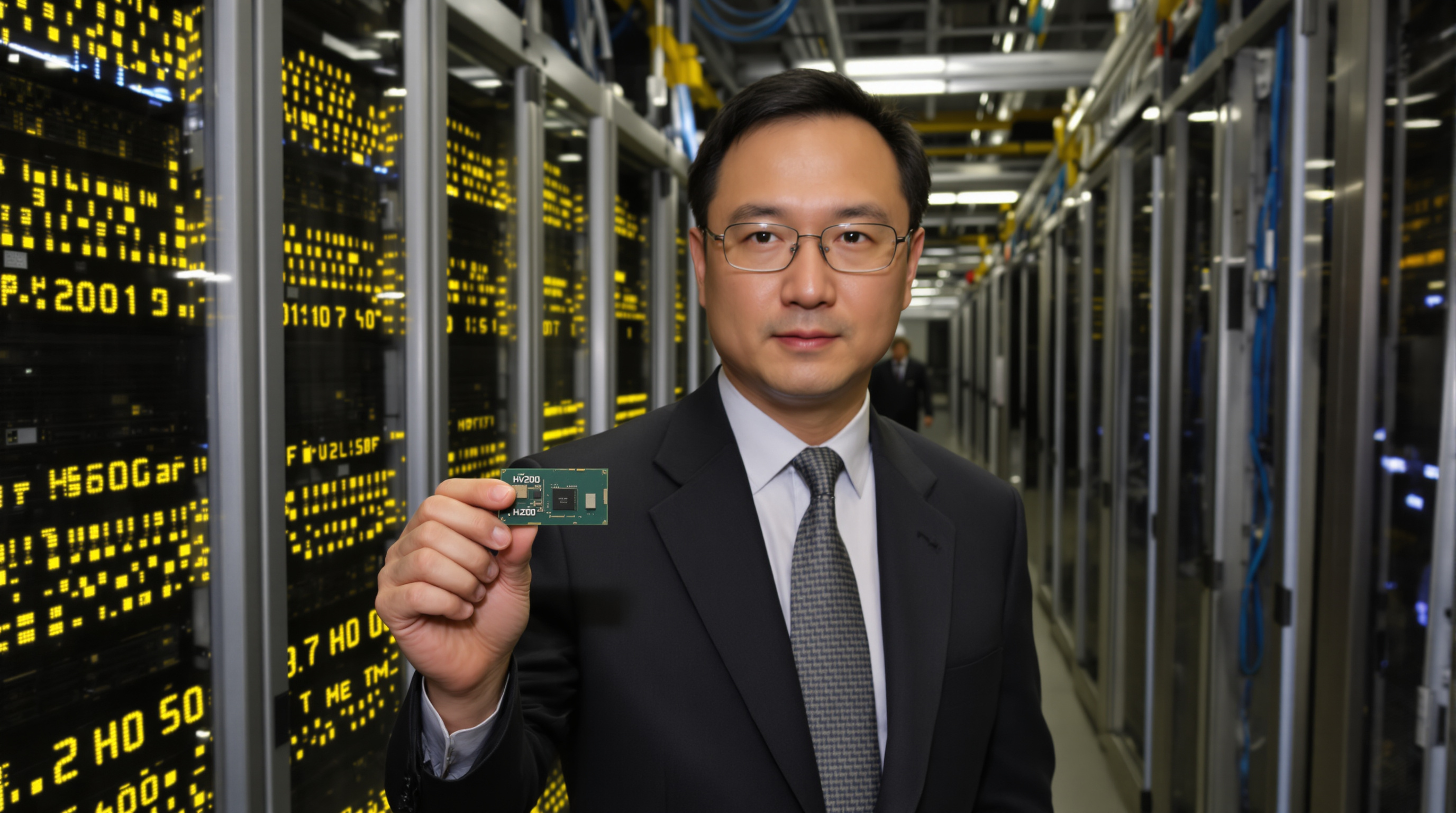
Former US President Trump announced that he will allow Nvidia to sell its advanced H200 computer chips to approved customers in China, with the US government taking a 25% cut of the sales. The deal excludes Nvidia's more advanced Blackwell and Rubin systems. Trump's decision is seen as a boost to Nvidia, a leading semiconductor company, and is expected to benefit both the US and China. The move is part of a larger effort to balance US national security concerns with the need to access the Chinese market.
Entities: Nvidia, China, US, Trump, Xi Jinping • Tone: neutral • Sentiment: positive • Intent: inform
09-12-2025
US President Donald Trump's decision to allow Nvidia to sell advanced H200 chips to China has sparked concerns among analysts that it will boost China's AI capabilities and give them an edge over the US in the AI race. The move is seen as a shift in US policy, which has previously restricted Chinese access to advanced semiconductors. China's focus on developing homegrown tech and reducing reliance on foreign inputs will continue, but Trump's decision is expected to provide a significant boost to Chinese AI developers. Analysts warn that this could negate the US advantage in AI and be a strategic mistake.
Entities: Donald Trump, Nvidia, China, US, Artificial Intelligence • Tone: negative • Sentiment: negative • Intent: inform
09-12-2025
The article discusses the emergence of 'Dr. Chatbot' in China's healthcare system, highlighting the country's mixed medical landscape. While top-tier hospitals in cities like Beijing and Shanghai boast advanced facilities and skilled doctors, lower-tier health centers, particularly in rural areas, face significant challenges due to underqualified staff and inadequate resources. The integration of AI-driven chatbots, or 'Dr. Chatbot,' into this system is seen as a potential game-changer, with implications not just for China but for global healthcare practices. The article touches upon China's healthcare spending, which stands at around 7% of its GDP, and contrasts it with countries like Britain, which allocates a larger share of its GDP to healthcare.
Entities: China, Dr. Chatbot, Beijing, Shanghai, Britain • Tone: neutral • Sentiment: neutral • Intent: inform
09-12-2025
US President Donald Trump has announced that he is removing export controls on Nvidia's H200 chips to China, a significant reversal in the ongoing trade war between the two nations. The H200 chips are crucial for AI tasks and Nvidia is the world's leading chipmaker. Trump stated that the decision allows Nvidia to ship H200 products to approved customers in China under conditions that maintain strong national security. Nvidia and AMD have welcomed the decision, saying it will help American competitiveness and high-paying jobs. The move comes after Trump met with Nvidia CEO Jensen Huang and follows previous agreements with chipmakers to pay the US government a percentage of revenues from chip sales to China.
Entities: Donald Trump, Nvidia, China, H200 chips, Artificial Intelligence • Tone: neutral • Sentiment: positive • Intent: inform
09-12-2025
The article reports that former US President Donald Trump has cleared the way for Nvidia to sell its powerful AI computer chips to China, despite previous restrictions due to national security concerns. Nvidia's CEO, Jensen Huang, has been lobbying the White House to open up sales in China and has worked closely with Trump since his inauguration. The deal is expected to be worth billions of dollars for Nvidia and will allow the company to sell its H200 chips to approved customers in China. The move has been met with criticism from some lawmakers, who question the legality of the arrangement and the potential risks of powering China's surveillance, censorship, and military applications.
Entities: Donald Trump, Nvidia, China, Jensen Huang, US • Tone: neutral • Sentiment: positive • Intent: inform