01-08-2026
As the Iran conflict reaches its sixth month without a decisive battlefield outcome or diplomatic settlement, President Trump is being pressed by two major regional allies—Israel and Saudi Arabia—to adopt different strategies. Israeli Prime Minister Benjamin Netanyahu, after meeting Trump at the White House and again with top U.S. officials and lawmakers, argued for a harder line that could include an enforceable nuclear deal, economic blockade, or renewed strikes on Iranian supply routes. Saudi Defense Minister Khalid bin Salman, by contrast, urged caution and framed Iran’s move as an effort to gain leverage through escalation, especially via proxy groups in Yemen and Iraq.
The article portrays a widening regional struggle in which the U.S. is involved militarily, Gulf allies are increasingly participating in strikes, and Iran continues to rely on proxy forces and threaten key shipping routes. Saudi Arabia has joined U.S. strikes on Iranian-backed militias in Iraq and bombed Houthis in Yemen after attacks on Saudi-linked shipping and infrastructure, but its leaders remain worried that further escalation could prolong the war or produce a dangerous miscalculation. Meanwhile, diplomacy appears stalled: an Omani proposal to reopen the Strait of Hormuz was rejected by Iran, a short-lived truce collapsed, and U.S. officials say further bombing is unlikely to force regime collapse.
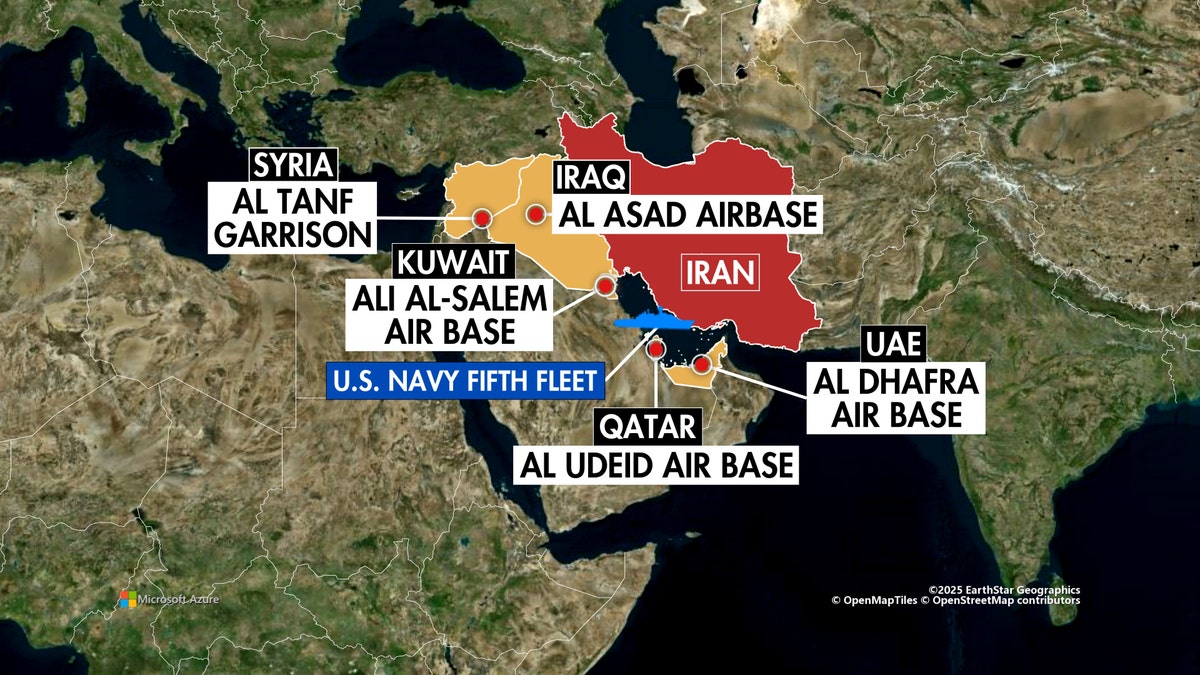
The article also highlights strategic disagreement over Iran’s future. Netanyahu still appears to favor regime change and hopes to encourage internal unrest, while Trump says he prefers negotiations that might preserve a diplomatic pathway. At the same time, the conflict is affecting U.S. force posture across the Middle East, with about 50,000 American troops potentially exposed to retaliation, and with the Pentagon seeking $67 billion in emergency funding for the war effort.
Entities: Donald Trump, Benjamin Netanyahu, Saudi Defense Minister Khalid bin Salman, JD Vance, Pete Hegseth • Tone: analytical • Sentiment: negative • Intent: inform
01-08-2026
President Trump said Hamas has agreed to the next stage of a Gaza peace framework negotiated through his U.S.-backed “Board of Peace,” including the disarmament of Hamas and other armed groups in Gaza. According to Trump and U.S. officials, Hamas conveyed its acceptance of the final text through mediators, and a senior Hamas official confirmed to CBS News’ partner BBC that the group had agreed to the disarmament plan. The exact timetable and implementation details remain unresolved, and Israel has not yet publicly responded.
The article explains that the deal builds on a 20-point peace proposal Trump introduced last year to end the Israel-Hamas war. That proposal originally envisioned the release of hostages, a ceasefire, increased aid, an eventual Israeli withdrawal from Gaza, and a transitional security and governance arrangement involving an International Stabilization Force and a Palestinian technocratic committee. Negotiators later split the plan into phases, and the first phase — hostage release and a ceasefire — was implemented in October, while questions of Hamas disarmament and Israeli military redeployment were postponed.
The newly agreed roadmap would place weapons under the control of a transitional Gaza administration and require Hamas to step back from governance. The article notes that police weapons would be surrendered first, followed by heavy weapons, depots, and tunnels once compliance is verified. Israeli withdrawal would occur in phases, but a source familiar with Israeli views said no withdrawal will happen until Hamas is disarmed. Israeli Defense Minister Gideon Sa’ar dismissed Hamas’ dissolution of its government as a trick and argued that Hamas cannot retain civilian influence while keeping its weapons. The piece frames the agreement as a potentially historic but fragile step toward ending the conflict, with significant conditionality and uncertainty still ahead.
Entities: Donald Trump, Hamas, Gaza Strip, Israel, Board of Peace • Tone: analytical • Sentiment: neutral • Intent: inform
01-08-2026
CBS News reports that the United States and Israel are preparing a potential joint bombing campaign against energy-related targets in Iran, including power plants and refineries, in what sources describe as one of the harshest attacks planned so far. Multiple sources told CBS the operation could begin over the weekend, with some internal discussion about trying to conclude strikes before financial markets open Monday, reflecting concern about broader economic consequences. The report says Israel has been notified and is coordinating with the U.S., though an Israeli official denied knowledge of any decision to restart full military operations or a request for Israel to join attacks. According to sources, the plan was discussed at President Trump’s cabinet meeting at Camp David, and while some White House political aides opposed it, Trump publicly signaled willingness to strike Iran hard. The article notes that the U.S. has already hit dual-use bridges in the conflict and that there were also discussions about possibly cutting electricity in Tehran, though no decision had been made. U.S. officials and Pentagon spokespersons declined to confirm targets, emphasizing that no final decision had been announced. The piece frames the proposed strikes as a step aimed not only at military pressure but also at impairing Iran’s ability to govern and provide services, while highlighting the escalating confrontation involving Trump, Netanyahu, and senior U.S. and Israeli defense officials.
Entities: United States, Israel, Iran, Donald Trump, Benjamin Netanyahu • Tone: urgent • Sentiment: negative • Intent: inform
01-08-2026
CNN’s live update reports that the United States is preparing fresh military strikes on Iran as soon as this weekend, though officials caution the plan could still be canceled. The reporting says President Donald Trump has signaled escalation, telling aides and the public that the U.S. will keep hitting Iran “very hard,” even as pressure grows at home to end the conflict. The article also describes developments tied to the broader regional war: an unexplained attack on a tanker near the Strait of Hormuz, Iran’s threats to tighten restrictions on shipping through the strait, and U.S. preparations for wider bombardment, including possible targets at Iranian missile and energy infrastructure and a nuclear site known as Pickaxe Mountain. In parallel, the live coverage tracks fragile diplomacy in Gaza. The U.S.-backed Board of Peace issued a revised ceasefire roadmap, and Trump said the U.S. and Israel are aligned on beginning to implement a new agreement. Hamas has said it could disarm if Israel meets its obligations, while Israel insists Hamas must fully disarm and that it will not withdraw to the “yellow line” until demilitarization is complete. The article presents the situation as fluid and high-stakes, with military escalation, maritime security risks, cyberattack allegations, and ceasefire negotiations all unfolding at once.
Entities: Donald Trump, Iran, United States, US Central Command, Strait of Hormuz • Tone: urgent • Sentiment: negative • Intent: inform
01-08-2026
This New York Post opinion piece reacts skeptically to a newly announced 15-point Gaza peace plan associated with President Donald Trump, even while expressing hope that it could lead to lasting peace. The author argues that the proposal raises many unresolved practical and legal questions about how a ceasefire or disarmament would actually be verified and enforced. Central concerns include who would determine whether Hamas and Israel have truly stopped military operations, who would staff and oversee an International Verification Committee, and whether the proposed International Stabilization Force would have enough troops or authority to matter.
The article also questions the meaning of repeated references to “Palestinian law,” since there is no fully established Palestinian state, and wonders which institutions would govern Gaza under the plan. It raises doubts about how civil servants would be vetted, whether existing police structures can be trusted, and how any weapons turned over by Hamas would be secured. The writer further asks how the international community could know if Hamas had hidden stockpiles, retained weapons, or maintained tunnel networks and other militant infrastructure.
Overall, the piece concludes that the plan may represent rhetorical progress, but not yet a workable mechanism for real change on the ground. It emphasizes that Hamas has not renounced armed resistance or Israel’s destruction, and suggests that only the Israel Defense Forces currently have the power to compel compliance. The tone is critical and doubtful, but it ends with a note that President Trump continues to push for a solution and that concrete diplomatic achievements are still possible.
Entities: Donald Trump, Hamas, Gaza, Israel, IDF (Israel Defense Forces) • Tone: analytical • Sentiment: negative • Intent: analyze
01-08-2026
The article examines growing signs of friction between President Donald Trump and Israeli Prime Minister Benjamin Netanyahu over a newly announced Gaza plan to disarm Hamas. Trump publicly dismissed questions about the plan’s viability and insisted Israel supports it, even as Israeli officials and Netanyahu-aligned figures signaled reservations. The deal, brokered through Trump’s self-created Board of Peace with help from Qatar, Egypt, and Turkey, is meant to advance the October 2025 cease-fire and eventually lead to Hamas’s disarmament, Israeli withdrawal, and Gaza reconstruction.
The piece argues that the agreement is fragile because the sides remain far apart on sequencing and on what disarmament means in practice. Hamas says it will only give up heavy weapons after Israel stops its attacks, while Israel insists on “genuine” disarmament before a full withdrawal. The article also places the dispute in the context of Trump’s broader Middle East strategy, including his disagreements with Netanyahu over Iran diplomacy and the Hezbollah conflict. Trump appears eager to present progress in Gaza as evidence of his peacemaking abilities, especially after an unpopular war with Iran, but the article suggests follow-through will be difficult because both Israel and Hamas are likely to contest implementation details. Overall, the story portrays the announcement as politically significant but operationally uncertain, with Trump potentially at odds again with Netanyahu if the Israeli leader resists the plan.
Entities: Donald Trump, Benjamin Netanyahu, Hamas, Gaza, Israel • Tone: analytical • Sentiment: neutral • Intent: analyze
01-08-2026
The article reports that the United States resumed airstrikes inside Iran after Tehran launched a surprise ballistic-missile attack on American forces in the Middle East. According to U.S. Central Command, Iranian missiles were fired at U.S. forces Tuesday evening, but all were intercepted and no casualties or damage were immediately reported. President Donald Trump warned of a severe retaliation, saying the U.S. would hit Iran hard, and later used forceful language to emphasize that Tehran would face a strong response.
The piece frames the episode as part of a broader and increasingly dangerous confrontation between the U.S. and Iran. Behnam Ben Taleblu of the Foundation for Defense of Democracies argues that the surprise attack shows Iran has become more risk-tolerant and confident, even if its military capacity may be weaker. He warns that Iran has learned it can launch attacks, absorb U.S. retaliation, and then try to dictate when the exchange ends. The article emphasizes that the issue is not only technological missile defense, but also political deterrence.
The article also situates the attack within a wider regional conflict, mentioning earlier Iranian attacks on U.S. forces in Jordan that killed two American service members, as well as strikes involving Saudi Arabia, Iraq-based Iran-backed groups, and tensions over the Strait of Hormuz. It suggests the confrontation could expand further unless the U.S. restores deterrence and prepares for another Iranian counterattack. Overall, the article portrays a fast-escalating military and geopolitical crisis centered on retaliation, deterrence, and the risk of wider regional war.
Entities: Donald Trump, Iran, United States, U.S. Central Command, Islamic Revolutionary Guard Corps • Tone: urgent • Sentiment: negative • Intent: inform