10-10-2026
Russian President Vladimir Putin told US President Donald Trump in a phone call on Friday that an immediate resumption of peace talks with Ukraine was unlikely. According to Kremlin foreign policy aide Yuri Ushakov, Putin said Russia had been ready to resume negotiations after Russia’s parliamentary elections, but alleged Ukrainian drone attacks on Moscow, other cities, polling stations and election organisers had disrupted the possibility of quickly restarting trilateral talks involving Russia, Ukraine and the United States. Ushakov said Russia would assess when negotiations could resume.
The article presents differing signals about diplomacy. US Secretary of State Marco Rubio described the war as being in a dangerous stalemate and said the United States would continue working toward a deal. Ukrainian President Volodymyr Zelenskyy had said Ukraine was ready to participate in trilateral talks with the US and Russia during the month.
The call also produced an announcement by Trump that Russia had agreed to supply more than 300,000 tonnes of diesel to American and global markets. The proposed deal drew criticism from US lawmakers, Zelenskyy and European allies. Zelenskyy called it a “gift to Putin,” arguing that the money would support Russia’s war against Ukraine and that Ukraine’s team was being used as a smokescreen. A UK government spokesperson said Britain would continue applying pressure on Russia through what it described as its toughest-ever sanctions regime.
Entities: Vladimir Putin, Donald Trump, Yuri Ushakov, Marco Rubio, Volodymyr Zelenskyy • Tone: analytical • Sentiment: negative • Intent: inform
10-10-2026
Ukraine’s President Volodymyr Zelensky condemned Donald Trump’s announcement that the United States would temporarily allow Russian diesel imports, calling the agreement a “gift to Putin” and warning that it would amount to investing in a war that should be brought to an end. Trump said Russia would immediately supply 300,000 tonnes, followed by 500,000 tonnes in November and another million tonnes later. He also described a further three million tonnes as possible, depending on the condition of Russian refineries. The US Treasury issued a temporary licence suspending sanctions on Russian diesel exports until 7 April, while other Russian assets in the United States remain frozen.
Russian President Vladimir Putin confirmed Russia’s willingness to supply oil and petroleum products but did not specify quantities. Analysts questioned whether Russia could deliver the amounts Trump cited and whether the shipments would meaningfully lower US fuel prices. One strategist estimated the first tranche at about 2.25 million barrels, compared with US daily consumption of roughly 3.8 million barrels, and characterized the move as a potentially politically motivated effort to reduce inflation ahead of congressional midterm elections.
The announcement comes as fuel prices have risen sharply amid the Iran war, which began in February. The average US diesel price is reported at $6.28 a gallon, below a recent record of $6.53. Trump has also considered suspending the federal gasoline tax, allowed tax-exempt red-dye diesel on highways, and pushed G7 countries to release oil and diesel reserves. Brent crude remains above $103 a barrel, compared with about $73 before the Iran war.
The deal could draw criticism from European allies and US supporters of Ukraine, particularly because Congress recently authorized new sanctions and tariffs targeting countries importing Russian oil and gas. The UK said it would continue supporting Ukraine and maintaining sanctions on Russia. Zelensky defended Ukrainian attacks on Russian refineries as a response to Russia’s campaign against Ukraine’s energy infrastructure. Russia’s own diesel production has reportedly fallen nearly 30% after shortages and Ukrainian drone strikes, raising further questions about its ability to supply the promised fuel.
Entities: Donald Trump, Volodymyr Zelensky, Vladimir Putin, Kirill Dmitriev, United States • Tone: analytical • Sentiment: neutral • Intent: inform
10-10-2026
Donald Trump’s announcement that Russia will supply hundreds of thousands of tons of diesel fuel to the United States and global markets marks a sharp reversal from his recent policy. Just three weeks earlier, he signed legislation authorising new sanctions and tariffs on countries importing Russian oil and gas. The deal comes as the Iran war has driven up fuel and consumer prices, weakening Trump’s public standing ahead of midterm elections that will determine whether Republicans retain control of Congress.
Higher diesel costs have hit agricultural states particularly hard, affecting farm operations and transportation. These states, including Iowa, Kansas, Texas and Ohio, are also important political battlegrounds. Trump has sought to ease the pressure through measures such as urging European allies to draw on oil reserves, deferring federal fuel taxes and allowing farm-designated fuel to be used for interstate trucking. He has also said he will not resume attacks on Iran before the midterms.
The Russian fuel arrangement remains unclear: Trump’s announcement offers few details about how supplies will reach markets or what Russia will receive beyond hard currency. Ukrainian President Volodymyr Zelensky condemned the deal as a “gift” to Vladimir Putin, arguing that allowing Russian petroleum sales would help fund a war that should be ended. The move could also draw criticism from European allies and US politicians.
Its likely effect on prices and the election is uncertain. European diesel releases have not significantly shifted energy prices, and Russia’s refining capacity has been damaged by Ukrainian strikes. Even the promised 300,000 tons would equal roughly half of US daily diesel consumption, so consumers may see little immediate relief. With early voting already under way and less than a month before the election, the article suggests it may be too late for the deal to substantially change the political outlook. Trump’s challenge is to persuade voters that promised economic relief will arrive after months of rising costs and assurances that a resolution is near.
Entities: Donald Trump, Vladimir Putin, Volodymyr Zelensky, United States, Russia • Tone: analytical • Sentiment: negative • Intent: analyze
10-10-2026
President Donald Trump announced an agreement for Russia to supply diesel fuel to the global market, saying the shipments would help bring down record-high prices. The announcement represents an apparent shift from U.S. efforts to pressure Moscow over its war in Ukraine by restricting Russian energy sales. Critics noted that it came only three weeks after Trump signed the Lindsey O. Graham Sanctioning Russia and Iran Act of 2026, which authorizes tariffs of up to 100% on major purchasers of Russian oil or gas and provides other restrictions.
Criticism came from both parties. Cato Institute vice president Scott Lincicome questioned how the new approach fit with the law, while Democratic Sen. Richard Blumenthal said it contradicted Congress’s intent. Georgetown scholar Peter Harrell argued the decision demonstrated that the law would not necessarily compel the administration to increase economic pressure on Moscow. Republican Rep. Michael McCaul said he understood the desire to lower diesel prices but warned that easing sanctions could finance Russia’s war.
Trump had previously sanctioned Russian oil companies over what his administration called Moscow’s lack of commitment to peace talks, and had criticized NATO allies for buying Russian energy. Under the new arrangement, Russia is to supply more than 300,000 tons of diesel immediately, 500,000 tons in November, another 1 million tons afterward, and potentially 3 million more depending on refinery conditions. The Treasury Department said the Office of Foreign Assets Control would issue a temporary general license authorizing the transactions for about six months, through April 7.
Russia’s side welcomed the agreement. Ukrainian President Volodymyr Zelenskyy, however, said easing sanctions without a clear, lasting de-escalation agreement played into Russia’s hands and amounted to an investment in a war that should be ended. Trump said the world needed the diesel and thanked Russian President Vladimir Putin for enabling oil supplies. The administration had previously granted narrower, 30-day waivers for Russian oil already in transit during market disruption following the Iran war. Wharton professor Jeremy Siegel called the new arrangement a short-term measure, not a permanent solution, and criticized the easing of sanctions related to the invasion of Ukraine.
Entities: Donald Trump, Vladimir Putin, Volodymyr Zelenskyy, Kirill Dmitriev, Richard Blumenthal • Tone: analytical • Sentiment: negative • Intent: analyze
10-10-2026
Australia says it will maintain its ban on Russian fuel imports, despite US President Donald Trump’s announcement of an agreement to release Russian diesel into global markets. Australian Climate Change and Energy Minister Chris Bowen said the country neither needs nor wants Russian fuel and does not want Russian President Vladimir Putin to benefit from the war. He added that decisions by the United States would not change Australia’s approach.
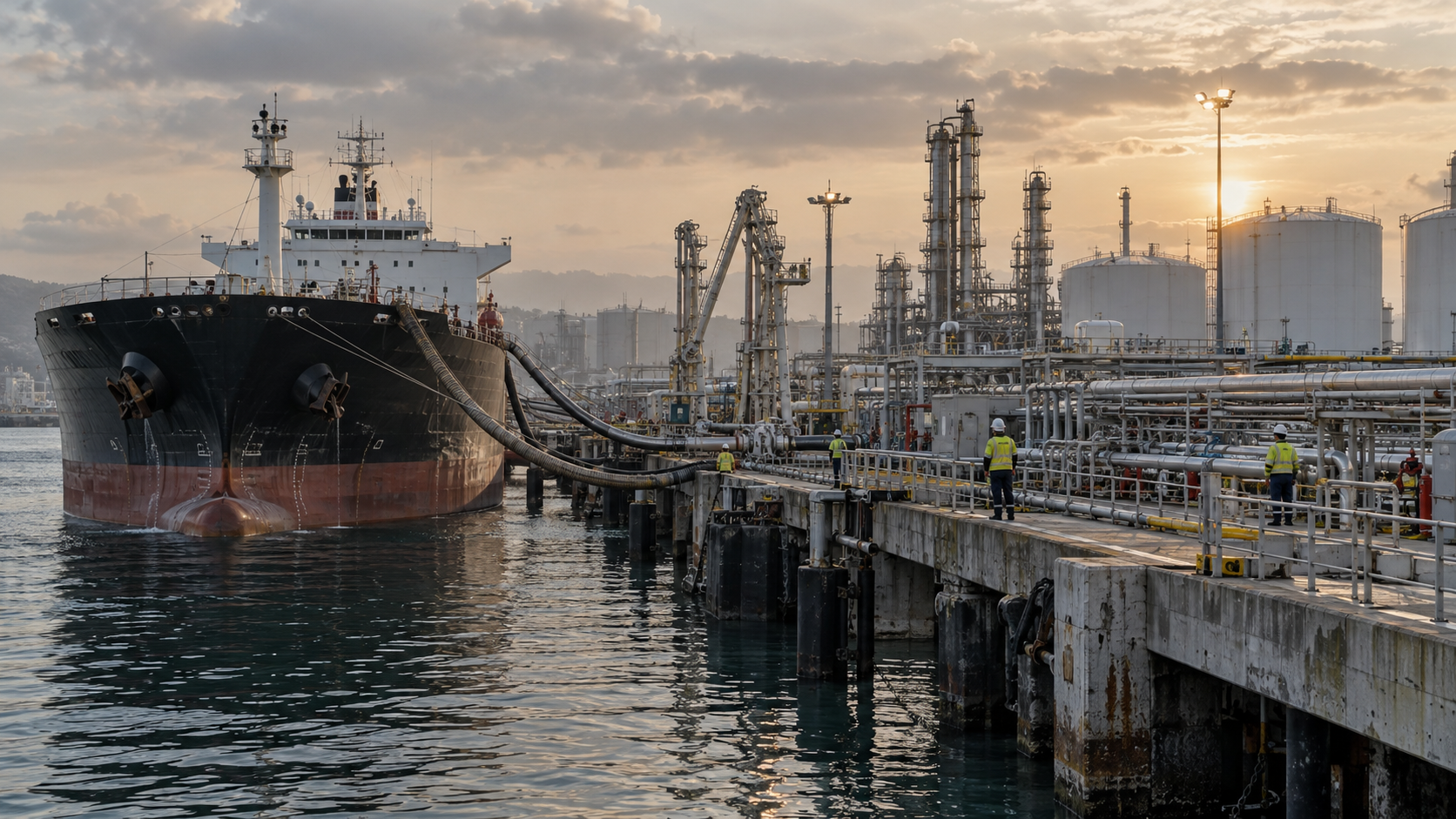
Trump announced that a series of Russian fuel cargoes, initially totalling about 13.5 million barrels, would begin moving this month. The article says he is working with Putin to make Russian diesel available on global markets, reversing years of sanctions as the White House looks for ways to curb rising fuel prices ahead of the US midterm election.
Bowen also pointed to Australia’s fuel reserves. The country held 43 days’ worth of petrol, two days more than a week earlier, and 31 days’ worth of diesel, one day less than the previous week. The article presents these reserves as part of the context for Australia’s position that it has no need to buy Russian fuel. Overall, it reports Canberra’s decision to retain its import ban and contrasts it with the US move to permit Russian diesel supplies into international markets.
Entities: Australia, Chris Bowen, Donald Trump, Vladimir Putin, Canberra • Tone: neutral • Sentiment: neutral • Intent: inform