31-01-2026
President Trump signed an executive order imposing tariffs on goods from countries that sell or provide oil to Cuba, primarily targeting Mexico, which has been Cuba's oil lifeline. The move is part of the US's efforts to pressure Cuba, which is facing a deepening energy crisis due to strict economic sanctions. Mexico's state oil company, Pemex, has been shipping oil to Cuba, but the amount has decreased recently. Mexican President Claudia Sheinbaum has been ambiguous about her country's stance on oil shipments to Cuba, claiming that decisions are based on Pemex contracts and that humanitarian aid will continue.
Entities: Donald Trump, Cuba, Mexico, Claudia Sheinbaum, Venezuela • Tone: neutral • Sentiment: negative • Intent: inform
31-01-2026
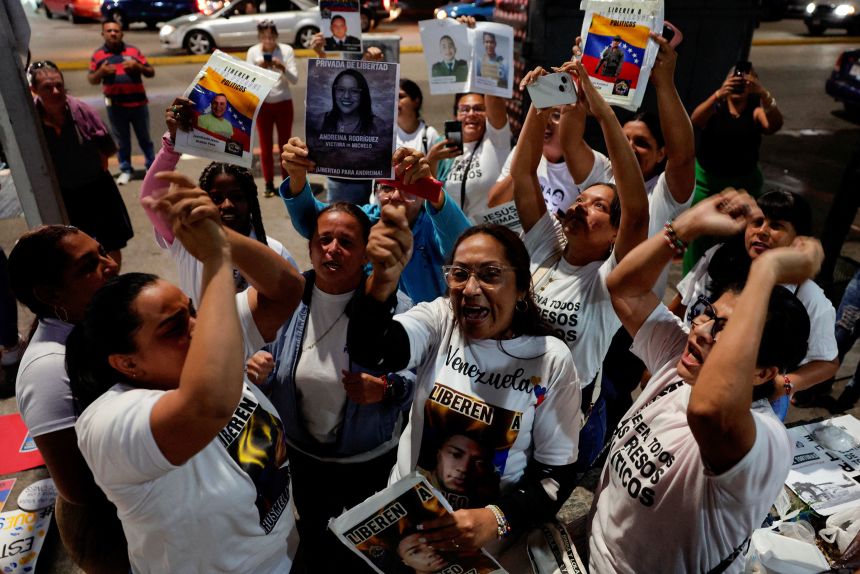
Venezuela's acting president, Delcy Rodríguez, has announced a proposed amnesty law that could lead to the release of hundreds of political prisoners and the closure of the notorious El Helicoide detention center. The amnesty would apply to cases from 1999 to the present, excluding those prosecuted for serious crimes. The announcement comes after the US capture of President Nicolas Maduro and the release of all known US citizens held in Venezuela. Human rights organizations have welcomed the move, but with caution, calling for the amnesty to be inclusive and not to become a cloak of impunity.
Entities: Delcy Rodríguez, Nicolas Maduro, Venezuela, El Helicoide, Foro Penal • Tone: neutral • Sentiment: positive • Intent: inform
31-01-2026
President Donald Trump has signed an executive order declaring a national emergency over Cuba, citing the communist regime's alignment with hostile foreign powers and terrorist groups. The order introduces a tariff mechanism to punish countries that supply oil to Cuba, aiming to protect US national security and foreign policy interests. Trump accused Cuba of hosting Russia's largest overseas signals intelligence facility, deepening intelligence and defense cooperation with China, and welcoming transnational terrorist groups like Hezbollah and Hamas. The administration will monitor countries supplying oil to Cuba and impose tariffs accordingly. The move is part of Trump's broader effort to confront regimes threatening American interests and builds on his first-term Cuba policy, which reversed Obama-era engagement and reinstated tougher measures against the communist government.
Entities: Donald Trump, Cuba, United States, Russia, China • Tone: negative • Sentiment: negative • Intent: inform
31-01-2026
Venezuela's National Assembly has passed a bill to open up the country's oil sector to private firms, ending the state-owned Petroleos de Venezuela SA's monopoly. The move comes after the US eased sanctions on Venezuela's oil industry, allowing US firms to buy, sell, transport, store, and refine Venezuelan crude oil. The legislation is expected to attract foreign investment and increase oil production, following a $100bn reconstruction plan proposed by US President Donald Trump. Venezuelan interim president Delcy Rodriguez signed the reform into law, which also allows for disputes to be settled independently and modifies extraction taxes.
Entities: Venezuela, Petroleos de Venezuela SA, US, Nicolas Maduro, Delcy Rodriguez • Tone: neutral • Sentiment: positive • Intent: inform
31-01-2026
Venezuela's acting President Delcy Rodríguez announced an amnesty bill that could lead to the release of hundreds of prisoners detained for political reasons. The bill is seen as a concession to the US-backed opposition and a response to pressure from the US government. The measure is expected to cover the period of political violence from 1999 to the present, excluding those convicted of serious crimes. Human rights groups have welcomed the announcement but expressed concerns about the lack of transparency and the slow pace of prisoner releases.
Entities: Delcy Rodríguez, Venezuela, Nicolás Maduro, United States, María Corina Machado • Tone: neutral • Sentiment: positive • Intent: inform