29-11-2025
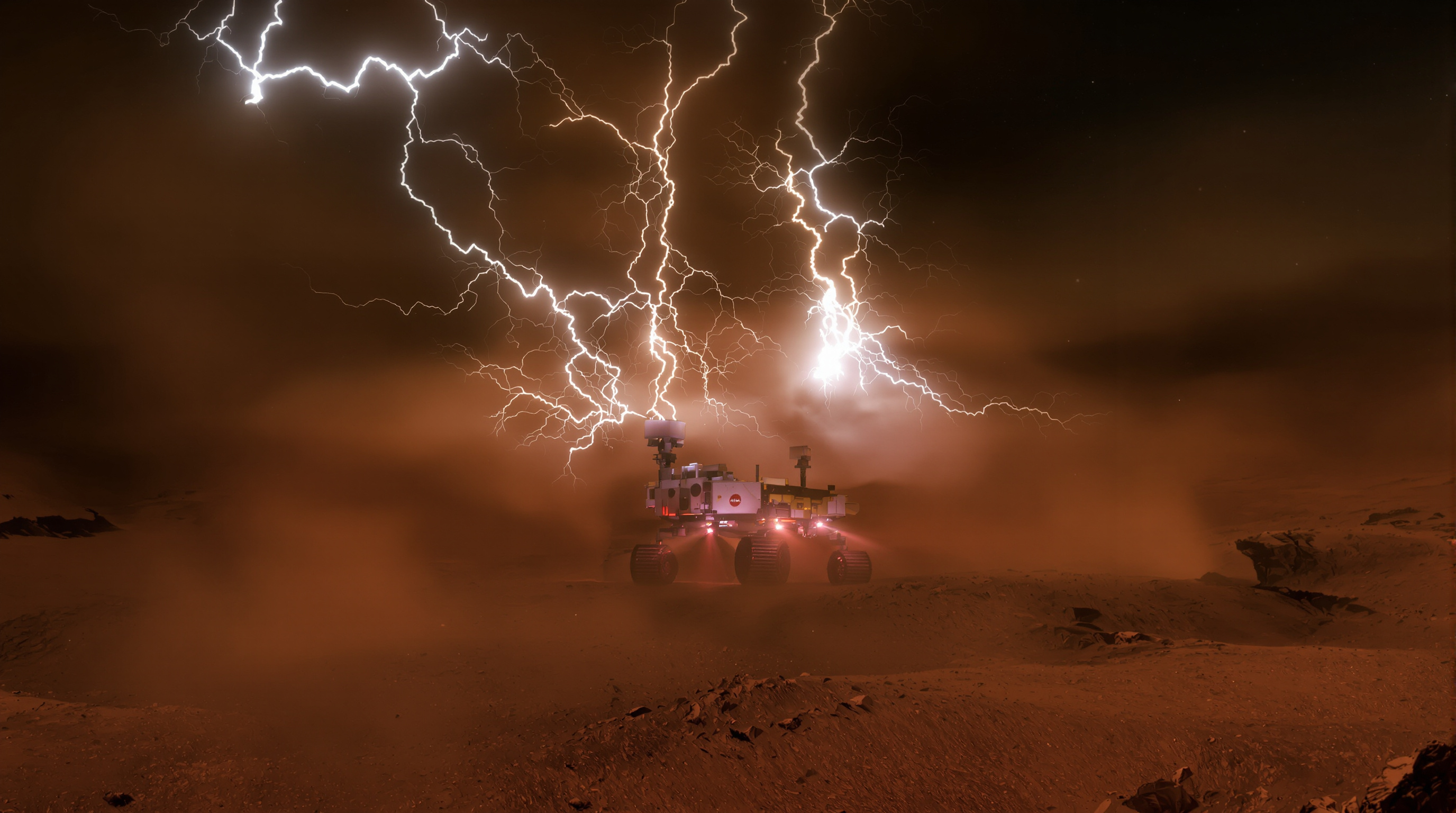
Scientists have detected electrical activity in the Martian atmosphere for the first time, suggesting that the planet is capable of lightning. Nasa's Perseverance rover recorded 'mini lightning' using its SuperCam instrument, which were associated with dust devils and dust storm fronts. The discovery has implications for Martian atmospheric chemistry, climate, habitability, and future exploration. Researchers analyzed 28 hours of microphone recordings over two Martian years and found electrical discharges, although some scientists remain skeptical as the discharges were only heard and not seen. The finding adds Mars to the list of planets known to have atmospheric electrical activity, joining Earth, Saturn, and Jupiter.
Entities: Nasa, Perseverance rover, Mars, Jezero Crater, France • Tone: neutral • Sentiment: positive • Intent: inform
29-11-2025
A telescope in Chile has captured a stunning new image of the Butterfly Nebula, also known as NGC 6302. The nebula is 2,500 to 3,800 light-years away in the constellation Scorpius and features a white dwarf star at its center. The star has shed its outer layers of gas, which now form the butterfly-like wings visible in the image. The image was taken by the Gemini South telescope as part of a contest to celebrate 25 years of operation by the International Gemini Observatory. The nebula was likely discovered in the 19th century, with credit often given to American astronomer Edward E. Barnard's 1907 study.
Entities: Chile, Gemini South telescope, International Gemini Observatory, Cerro Pachón, Scorpius • Tone: neutral • Sentiment: positive • Intent: inform
29-11-2025
Scientists have detected what they believe to be lightning on Mars using recordings from NASA's Perseverance rover. A French-led team analyzed 28 hours of recordings and documented 55 instances of 'mini lightning' over two Martian years, primarily during dust storms and dust devils. The electrical discharges were captured by a microphone on the rover and are believed to be similar to static electricity on Earth. While the evidence is strong, it is based on a single instrument and has not been visually confirmed. The discovery opens a new field of investigation for Mars science and could have implications for understanding the Martian atmosphere.
Entities: Mars, NASA, Perseverance rover, Baptiste Chide, Institute for Research in Astrophysics and Planetology • Tone: neutral • Sentiment: positive • Intent: inform