27-11-2025
The article discusses the UK's covid inquiry and argues that a more scientific approach would be more effective than a judicial one. The author, Matthew Holehouse, suggests that the current inquiry is flawed and that a better approach would be to focus on the scientific aspects of the pandemic rather than assigning blame. The article also touches on other UK news, including the budget and the government's handling of protests.
Entities: Britain, Matthew Holehouse, The Economist, UK, Labour • Tone: analytical • Sentiment: neutral • Intent: inform
27-11-2025
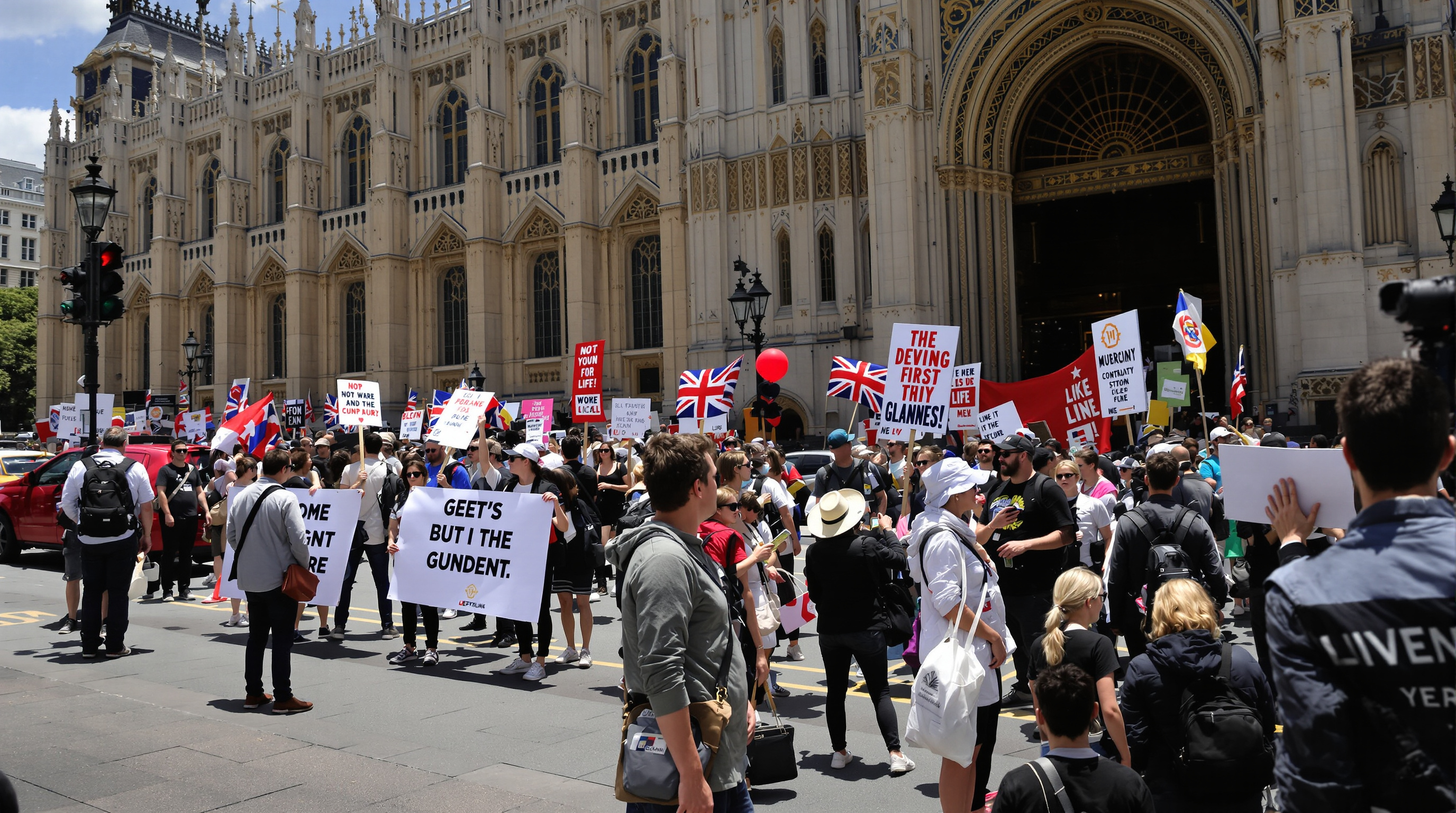
The UK government has proscribed Palestine Action (PA) as a terrorist organization after the group spray-painted military-leased planes. Since then, over 2,000 people have been arrested for showing support for PA, sparking concerns about the suppression of free speech. PA is challenging the ban in the High Court, arguing that it breaches their right to free expression. The case highlights the challenges Britain faces in distinguishing between protest and terrorism.
Entities: Britain, Palestine Action, al-Qaeda, Islamic State, Russia’s Wagner Group • Tone: neutral • Sentiment: negative • Intent: inform
27-11-2025
The article discusses Britain's budget and how it prioritized Labour's political survival over making the necessary economic reforms. Chancellor Rachel Reeves devoted much of her budget speech to criticizing the previous Conservative government, claiming that Labour is different because it is willing to make tough choices to revive economic growth. However, the article suggests that Labour's budget may focus on short-term survival rather than long-term economic solutions, potentially storing up greater economic problems for the future.
Entities: Britain, Labour Party, Conservative Party, Rachel Reeves, Sir Keir Starmer • Tone: analytical • Sentiment: negative • Intent: inform
27-11-2025
The article discusses Britain's left-wing government and its recent budget unveiled by Chancellor Rachel Reeves, which is characterized as straightforwardly left-wing. The budget included policies such as a mansion tax and scrapping the two-child limit on benefits, pleasing Labour MPs. The article highlights the government's focus on short-term political survival and potential long-term economic risks.
Entities: Britain, Rachel Reeves, Labour MPs, Ed Miliband, Labour Party • Tone: neutral • Sentiment: positive • Intent: inform
27-11-2025
The article discusses the upcoming budget by Labour's Chancellor Rachel Reeves, suggesting it will focus on short-term survival rather than long-term economic solutions. The government has been inconsistent in its messaging, floating various tax rises and then reversing course, eroding investor confidence and public support. The article criticizes the government's lack of clear direction, drawing parallels with the previous Conservative government that Labour accused of being 'rudderless'. The budget is expected to prioritize political survival over making difficult choices to revive the economy.
Entities: Rachel Reeves, Labour, Conservative government, Britain, November 26th • Tone: negative • Sentiment: negative • Intent: critique
27-11-2025
The article criticizes the recent budget presented by the British government, labeling it as a 'bodge-it budget' that fails to address the country's deep-seated issues such as poor productivity growth, high borrowing costs, and incoherent economic policy. The author argues that without ambitious reform, Britain will continue to decline and risk losing its political center ground to populist parties. The article emphasizes the need for significant changes to revive the economy and stabilize the political landscape.
Entities: Britain, Reform UK, Green parties, Labour, Conservatives • Tone: negative • Sentiment: positive • Intent: critique
27-11-2025
The article discusses the upcoming budget presentation by Rachel Reeves, Britain's Chancellor of the Exchequer, on November 26th. Reeves faces a challenging task in balancing her party's manifesto commitment not to raise taxes on 'working people' while convincing the bond market of her willingness to make tough decisions to ensure Britain's solvency. The article references an analysis of 50 years of chancellors' speeches and highlights the difficulties faced by the Labour government in making budget decisions that prioritize both political survival and economic revival. It also touches upon the broader context of Britain's economic challenges and the government's approach to addressing them.
Entities: Rachel Reeves, Britain, Chancellor of the Exchequer, Labour government, Labour party • Tone: analytical • Sentiment: neutral • Intent: inform