23-04-2026
Lufthansa is cutting 20,000 European short-haul flights this summer due to soaring fuel prices caused by the conflict in the Middle East. The airline will save 40,000 metric tons of jet fuel, with most coming from the closure of its CityLine service. Several other airlines have also cut flights or raised ticket prices. Analysts warn of further price rises and cancellations as the conflict continues. The EU is setting up a fuel observatory to track production and imports.
Entities: Lufthansa, Europe, US, Israel, Iran • Tone: negative • Sentiment: negative • Intent: inform
23-04-2026
The Trump administration is struggling to convince Americans that the economic shock caused by the Iran war is nearly over, despite rising gas prices. Treasury Secretary Scott Bessent cited the concept of 'backwardation' to argue that future prices will be lower, but critics argue that this theory is flawed and doesn't address the administration's inability to end the war. The administration's mixed messaging on gasoline prices has failed to ease concerns, and Trump's approval rating on the economy has fallen to a new low. The article argues that Trump's struggles to empathize with Americans struggling to afford basic necessities predate the war and are exacerbated by his boasts about quickly fixing economic issues.
Entities: Donald Trump, Scott Bessent, Jack Reed, Chris Wright, Jake Tapper • Tone: negative • Sentiment: negative • Intent: critique
23-04-2026
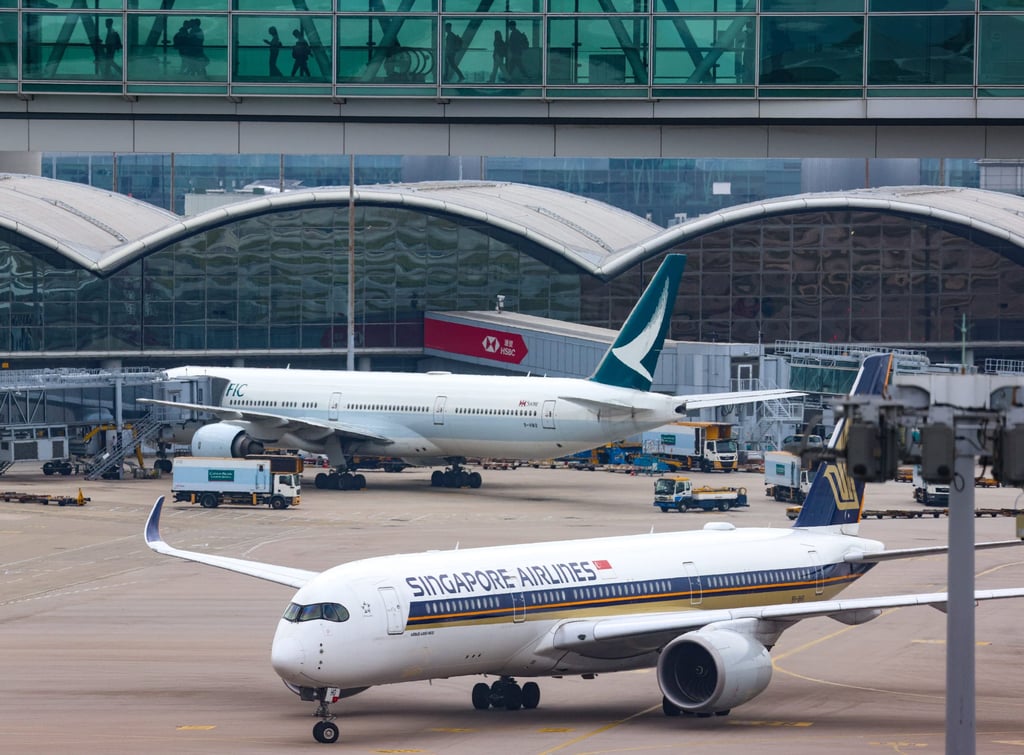
The article discusses how Southeast Asia's aviation hubs are benefiting from the Iran war by capturing traffic that would normally go through Middle Eastern hubs. Major airlines such as Singapore Airlines, Cathay Pacific, Korean Air, and Qantas have reported an increase in demand for European routes as travelers avoid Middle Eastern hubs due to drone and missile attacks. Singapore Airlines saw a 14.7% year-on-year increase in passenger traffic in March, with capacity on its Europe flights growing to 93.5% from 79.7% the previous year. The region's airlines are adding more flights to Europe to cater to the surge in demand, potentially saving the industry from the negative impacts of the Iran war on tourism.
Entities: Southeast Asia, Iran, Singapore Airlines, Cathay Pacific, Korean Air • Tone: neutral • Sentiment: positive • Intent: inform
23-04-2026
The number of Chinese tourists traveling during the upcoming Labour Day holiday is expected to be similar to or exceed last year's despite higher global fuel prices. Domestic flight bookings are up 8% and domestic package-tour reservations are up 10% compared to last year. Travelers are opting for shorter trips to save on transport costs, with rural and second-tier city destinations in China being popular, as well as short-haul trips to East Asia. The increase in fuel prices is attributed to the war in Iran, which has caused a rise in global jet fuel prices and diesel fuel prices.
Entities: China, Labour Day, Iran, United States, Israel • Tone: neutral • Sentiment: positive • Intent: inform