18-06-2026
Oil prices fell on Thursday after reports that President Donald Trump had signed a deal with Iranian President Masoud Pezeshkian to end the war in the Middle East, easing some immediate geopolitical supply fears. Brent crude for August dropped 1.13% to $78.65 a barrel, while U.S. West Texas Intermediate for July fell 1.26% to $75.82. However, the situation remained uncertain because Trump also reportedly warned that he could resume attacks on Iran if Tehran failed to follow through on its commitments. Beyond the short-term market reaction, the International Energy Agency added a more structural bearish signal, warning that a lasting resolution to the conflict could boost global supply volumes enough to create a major oil glut next year. In its latest monthly oil market report, the IEA projected global supply would average 102.4 million barrels per day in 2026 before recovering to 110.3 million barrels per day in 2027, and said its first look at 2027 balances showed a significant overhang emerging. Despite lower prices helping reduce the risk of oil-driven inflation, New York Life Investment Management cautioned that the situation was not an all-clear, noting that oil remains above pre-conflict levels and that shipping normalization, inventory replenishment, and rebuilding strategic reserves will take time.
Entities: Donald Trump, Masoud Pezeshkian, Iran, Middle East, Brent crude • Tone: analytical • Sentiment: neutral • Intent: inform
18-06-2026
This CNBC Daily Open briefing highlights three major market-moving themes: Federal Reserve policy uncertainty under Kevin Warsh’s first meeting as chair, easing geopolitical tensions after an Iran-U.S. memorandum aimed at ending the war, and notable developments in technology and space. Warsh’s inaugural Fed appearance included the creation of five task forces and a streamlined policy statement, but he declined to publish the dot plot, leaving investors unclear about the future rate path. That uncertainty weighed on U.S. stocks and pushed Treasury yields higher, especially as several Fed officials signaled a possible rate hike this year to fight inflation.
On the geopolitical front, the article says President Donald Trump reportedly signed a memorandum of understanding with Iranian President Masoud Pezeshkian aimed at ending the war. The agreement is tied to restoring energy shipments through the Strait of Hormuz, which helped drive oil prices lower. However, the article notes lingering doubts about the durability of any settlement, citing Trump’s remark about blaming Vice President JD Vance if the deal fails, and highlighting the possibility of a toll system that could complicate long-term navigation through the waterway. The International Energy Agency is also cited as saying a resolution could increase supply enough to create a major oil overhang next year.
The piece also briefly covers AI and space: Anthropic’s Dario Amodei and Google DeepMind’s Demis Hassabis called for a U.S.-led coalition to set AI standards at a G7 meeting attended by tech and government leaders, including Trump. Separately, SpaceX added Roelof Botha to its board as an independent director and audit committee member, while Amazon AI executive Peter DeSantis predicted commercially useful quantum computers within five to seven years. Overall, the article is a concise market and policy roundup linking monetary policy, conflict, energy, and emerging technology.
Entities: Kevin Warsh, Federal Reserve, dot plot, Treasury yields, Donald Trump • Tone: analytical • Sentiment: neutral • Intent: inform
18-06-2026
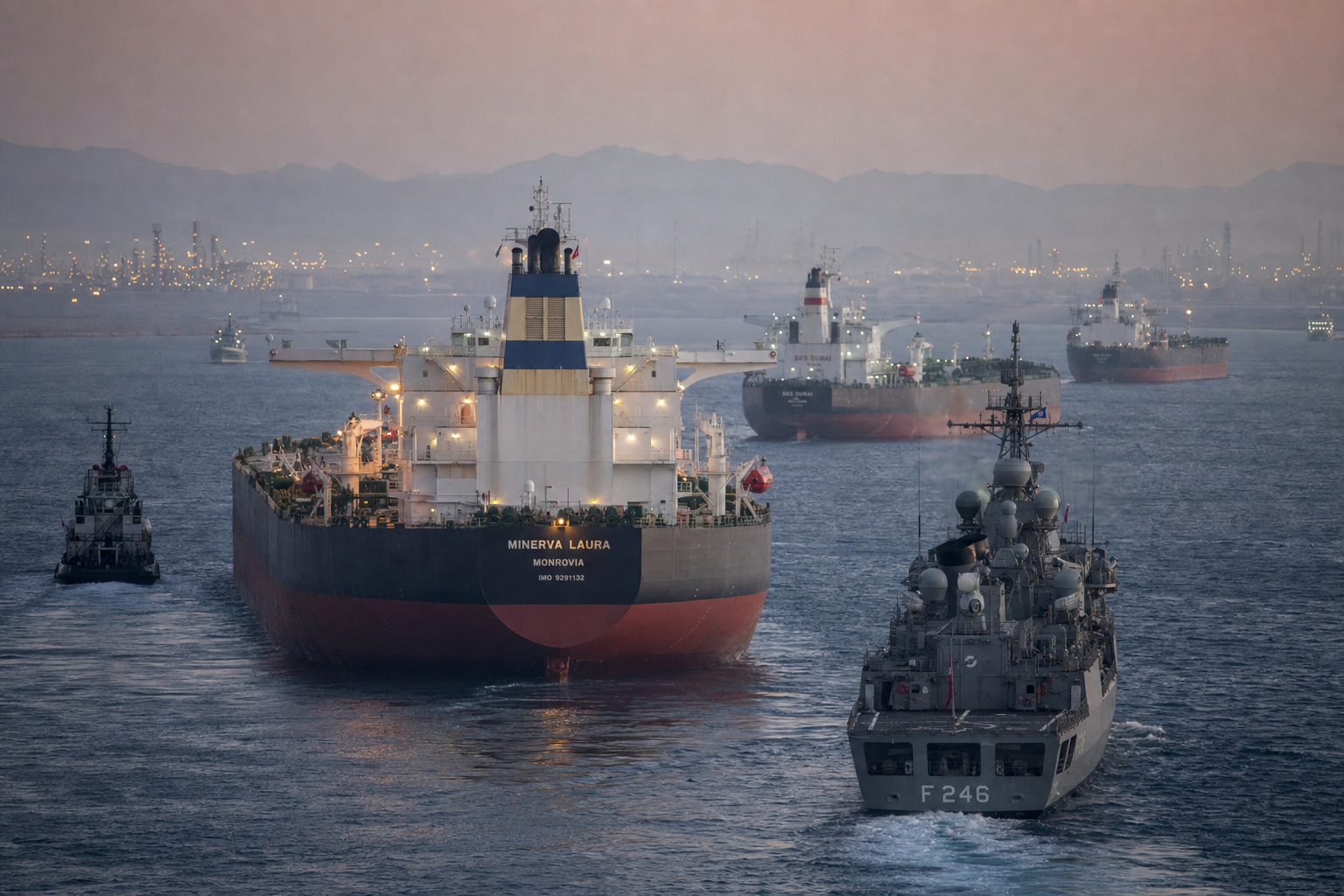
The article reports that China is being urged to strengthen the protection of its energy shipments after the closure of the Strait of Hormuz exposed how vulnerable global maritime chokepoints can be during conflict. According to analysts and energy experts, Beijing should not rely solely on a small number of sea lanes for oil, gas and other vital imports, but should instead expand escort capabilities, improve emergency response systems, and develop alternative transport routes to reduce disruption risk. The piece cites Lu Ruquan, president of the China National Petroleum Corporation Economics and Technology Research Institute, who argued in a journal article that China must “strengthen escort capabilities, emergency responses and safety guarantees at critical nodes.” The article links these recommendations to broader instability in the Middle East, noting that the Strait’s closure since March has interrupted shipments of essential goods and pushed up prices and inflation globally. It also references the reported Iran-US peace deal announced by Pakistan’s prime minister and Washington’s outline of an agreement that would allow commercial vessels to pass safely through the Persian Gulf and the Sea of Oman for 60 days. Overall, the article frames the situation as a warning to China and the world that maritime energy supply routes are fragile and require greater resilience planning.
Entities: China, Strait of Hormuz, Middle East conflict, global energy supply chain, Beijing • Tone: analytical • Sentiment: neutral • Intent: inform