15-02-2026
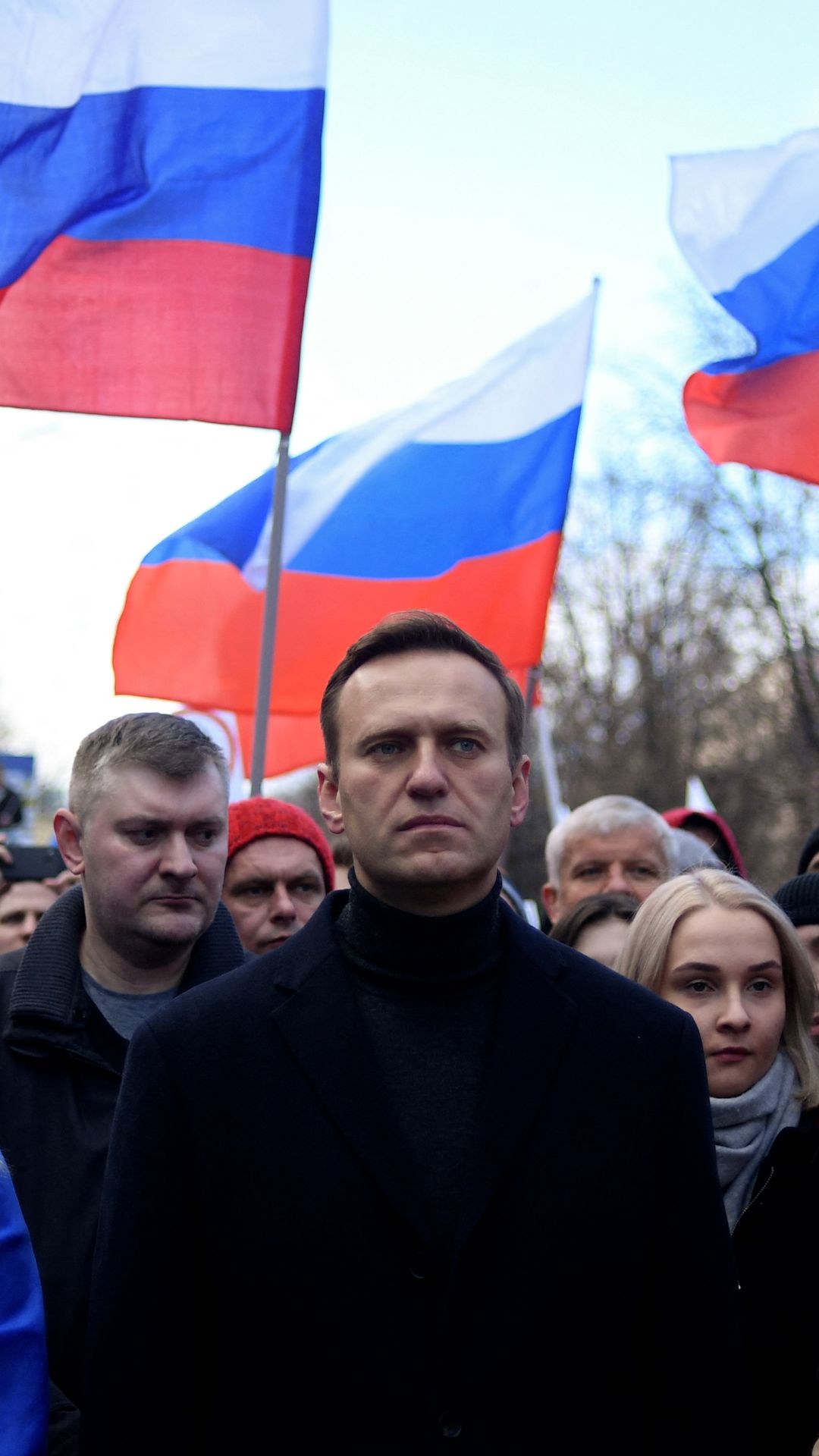
The UK and European allies have accused Russia of killing opposition leader Alexei Navalny using a toxin derived from a dart frog. Foreign Secretary Yvette Cooper stated that only the Russian government had the means, motive, and opportunity to use the poison while Navalny was imprisoned in Russia. The toxin, called epibatidine, is extremely rare and found naturally in dart frogs in South America. Navalny's widow, Yulia Navalnaya, had consistently claimed that her husband was poisoned by Russia. The UK has informed the Organisation on the Prohibition of Chemical Weapons of Russia's alleged breach of the Chemical Weapons Convention.
Entities: Alexei Navalny, Russia, UK, Yvette Cooper, Kremlin • Tone: negative • Sentiment: negative • Intent: inform
15-02-2026
European leaders have concluded that Russian opposition leader Alexei Navalny was likely fatally poisoned in prison. The leaders of the UK, France, Germany, Sweden, and the Netherlands stated that samples from Navalny confirmed the presence of epibatidine, a toxin found in poison dart frogs. Russia had claimed Navalny died of natural causes, but the European leaders believe the toxicity of epibatidine and reported symptoms make poisoning highly likely. Navalny's widow, Yulia Navalnaya, said her husband's death was now a 'science-proven fact.' Navalny was a vocal critic of Russian President Vladimir Putin and had been poisoned with Novichok in 2020. The European leaders accused Russia of having 'repeated disregard for international law' and the Chemical Weapons Convention.
Entities: Alexei Navalny, Russia, Vladimir Putin, Yulia Navalnaya, United Kingdom • Tone: negative • Sentiment: negative • Intent: inform
15-02-2026
The article discusses the second day of the Munich Security Conference, where leaders are grappling with the unpredictable nature of former US President Trump. The conference has seen various high-level talks and discussions on global security issues. Other news stories covered include the death of Russian opposition figure Alexey Navalny, allegedly due to a poison dart frog toxin, the Iranian regime's arrest of doctors helping anti-government protesters, and an increase in new marriages in China. Additionally, the article touches on the son of Iran's last shah expressing his desire to bring democracy to Iran and the ongoing violence against Palestinian citizens in Israel.
Entities: Munich Security Conference, Donald Trump, Alexey Navalny, Christiane Amanpour, Iran • Tone: neutral • Sentiment: negative • Intent: inform
15-02-2026
European countries, including the UK, Sweden, France, Germany, and the Netherlands, have concluded that Russian opposition leader Alexei Navalny was murdered by Russia using a deadly poison derived from South American poison dart frogs called epibatidine. Navalny died in a Siberian prison in 2024 after being detained upon his return to Russia in 2021 on politically motivated charges. The European countries based their conclusion on samples taken from Navalny's body and pointed out Russia's history of using poisonous substances against its opponents, including the use of novichok in 2018 that led to the death of a British woman. The countries have called for Russia to be held accountable for its violations of the Chemical Weapons Convention.
Entities: Alexei Navalny, Russia, Vladimir Putin, United Kingdom, Sweden • Tone: negative • Sentiment: negative • Intent: inform
15-02-2026
The UK and its allies have concluded that Russian opposition leader Alexei Navalny was killed using a poison derived from the toxin of Ecuadorian dart frogs, a neurotoxin 200 times stronger than morphine. The poisoning, which led to Navalny's death in 2024, is attributed to Vladimir Putin's government. The toxin, known as epibatidine, causes paralysis, breathing difficulties, and death. Navalny's widow, Yulia Navalnaya, along with foreign ministers from the UK, Germany, Sweden, and the Netherlands, revealed the findings at a press conference. The Russian government has dismissed the allegations as a 'disinformation campaign' and a 'ridiculous circus performance.' The UK and its allies plan to submit their findings to the Organisation for the Prohibition of Chemical Weapons (OPCW).
Entities: Alexei Navalny, Russia, Vladimir Putin, Ecuadorian dart frogs, Yulia Navalnaya • Tone: negative • Sentiment: negative • Intent: inform
15-02-2026
The UK and its allies have stated that Alexei Navalny, a Russian political dissident, was poisoned with a toxin derived from an Ecuadorian dart frog. The toxin is believed to have been manufactured in a laboratory. Dr. Eric Franssen, a clinical toxicology expert, explains that the toxin is difficult to detect and can cause death within 10-20 minutes of ingestion or injection. Navalny's widow, Yulia Navalniya, revealed that lab tests on samples of Navalny's biological material smuggled abroad confirmed that he was poisoned. Russian authorities maintain that Navalny's death was natural.
Entities: Alexei Navalny, Russia, Ecuadorian dart frog, Dr. Eric Franssen, Yulia Navalniya • Tone: neutral • Sentiment: negative • Intent: inform
15-02-2026
The UK and its allies announced at the Munich Security Conference that Russian opposition leader Alexei Navalny was poisoned with dart frog poison while in prison, accusing the Kremlin of being responsible. The announcement was seen as a deliberate attempt to grab global headlines and make the perpetrators face consequences. The British Foreign Secretary, Yvette Cooper, stated that the Russian government had the means, motive, and opportunity to use the toxin against Navalny. Navalny's widow, Yulia Navalnaya, also spoke about her husband's death, recalling the day she learned about it at the same conference two years ago. The Kremlin responded by calling the allegations 'necropropaganda' and a 'ridiculous circus performance.' The incident highlights the growing resolve among NATO allies to stand up to Russia's alleged attempts to attack their countries and societies through sabotage, cyber hacks, and disinformation.
Entities: Alexei Navalny, Russia, Kremlin, Vladimir Putin, Yvette Cooper • Tone: neutral • Sentiment: negative • Intent: inform