12-12-2025
Do Kwon, the co-founder of Terraform Labs, has been sentenced to 15 years in prison for his role in the collapse of the TerraUSD and Luna digital currencies, which lost an estimated $40 billion. Kwon was found guilty of conspiracy to defraud and wire fraud after misleading investors about TerraUSD's stability. The judge described the fraud as 'epic' and 'on a generational scale.' Kwon expressed remorse, stating that he had spent years thinking about what he could have done differently. The case is part of a larger crackdown on crypto companies and executives following the 2022 digital token slump.
Entities: Do Kwon, Terraform Labs, TerraUSD, Luna, Singapore • Tone: neutral • Sentiment: negative • Intent: inform
12-12-2025
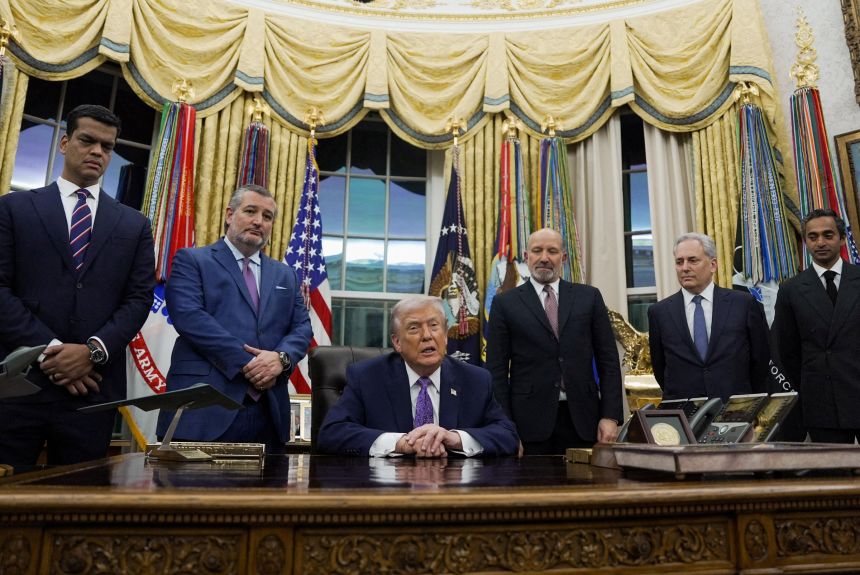
US President Donald Trump has signed an executive order aimed at blocking states from enforcing their own artificial intelligence (AI) regulations, citing the need for a 'central source of approval'. The move is seen as a win for technology giants who have called for US-wide AI legislation, but has been met with opposition from states like California, which has its own AI regulations. Critics argue that state laws are necessary in the absence of meaningful federal guardrails, while proponents believe that a unified national approach will help the US lead in the fast-developing AI industry.
Entities: Donald Trump, David Sacks, Gavin Newsom, Julie Scelfo, United States • Tone: neutral • Sentiment: negative • Intent: inform
12-12-2025
The US Congress is struggling to reach a deal on extending Affordable Care Act (ACA) subsidies, which are set to expire on December 31, 2025. The impasse has left millions of Americans facing potential health insurance premium hikes or loss of coverage. Democrats and Republicans are at odds over how to address the issue, with Democrats pushing to extend subsidies and Republicans demanding reforms to the ACA. The standoff is seen as a failure of America's political system, with both sides unwilling to compromise. Moderate Republicans are leading efforts to find a solution, but the issue is complicated by the GOP's slim House majority and Democrats' reluctance to reform the ACA.
Entities: Stephen Collinson, Chuck Schumer, Mike Johnson, Pennsylvania Avenue, US Senate • Tone: negative • Sentiment: negative • Intent: inform
12-12-2025
President Donald Trump signed an executive order on December 11, 2025, aiming to create a 'single national framework' for artificial intelligence (AI) by blocking states from enforcing their own regulations around AI. The order is seen as a move to dominate the nascent technology and prevent a patchwork of state regulations that could slow down innovation. However, critics worry that deregulation could allow AI companies to evade accountability and potentially harm consumers. The debate over AI regulation has caused divisions within the conservative movement and Republican party, with some supporting a lighter touch regulatory framework and others advocating for state-level regulation to ensure safety and accountability.
Entities: Donald Trump, Artificial Intelligence, United States, White House, Will Scharf • Tone: neutral • Sentiment: negative • Intent: inform
12-12-2025
The article discusses how Speaker of the House Mike Johnson is facing challenges from within his own party, with Republicans using a parliamentary maneuver called a discharge petition to force votes on legislation he opposes. This has undercut Johnson's leadership and diminished his power over the chamber's agenda. The tactic has been used successfully multiple times this year, including to pass a bill rebuking President Trump and to force a vote on releasing investigative files on Jeffrey Epstein. Johnson is struggling to maintain party unity, and the use of discharge petitions is seen as a sign of discontent among rank-and-file Republicans.
Entities: Mike Johnson, House of Representatives, President Trump, Jared Golden, Maine • Tone: neutral • Sentiment: negative • Intent: inform
12-12-2025
President Trump signed an executive order aimed at overriding state laws that regulate the artificial intelligence industry, a move that has sparked bipartisan opposition. The order grants the attorney general broad authority to sue states and overturn laws that do not support the 'United States' global A.I. dominance.' Trump argues that the order will create a unified federal regulatory framework, overriding the 'confusing patchwork' of state regulations. Critics, including consumer groups and some lawmakers, argue that the order will undermine state laws designed to protect consumers and children from the potential harms of A.I. technology. The order is likely to be challenged in court, with legal experts questioning whether the administration has the authority to override state laws.
Entities: Donald Trump, David Sacks, United States, China, Wes Hodges • Tone: neutral • Sentiment: negative • Intent: inform
12-12-2025
The US Senate rejected competing proposals by Republicans and Democrats to address a looming healthcare crisis, leaving 24 million Americans vulnerable to higher insurance premiums when a federal subsidy expires on January 1, 2026. The subsidy, part of the Affordable Care Act (Obamacare), has been crucial in keeping insurance premiums affordable. The Republican proposal, backed by US President Donald Trump, would have provided up to $1,500 to individuals earning less than 700% of the federal poverty level, while the Democratic proposal sought to extend Covid-19-era subsidies for three years. The failure to pass either bill has left many Americans uncertain about renewing their health insurance, with insurance companies warning of rising premiums. A new poll found that 51% of Americans support extending the subsidies.
Entities: US Senate, Republicans, Democrats, Affordable Care Act, Donald Trump • Tone: negative • Sentiment: negative • Intent: inform
12-12-2025
US President Donald Trump signed an executive order aimed at limiting state-level regulation of artificial intelligence (AI) through lawsuits and funding cuts. The order directs the US Attorney-General to establish an 'AI Litigation Task Force' to challenge state AI laws deemed 'inconsistent' with the administration's policy. The move is seen as a win for tech industry leaders who have pressed for preemption of local rules, citing concerns that a patchwork of state-level regulations will hamper the growth of the emerging technology. The order also directs the Commerce secretary to evaluate existing state AI laws and identify 'onerous' laws that conflict with the policy. The decision has been met with criticism from some lawmakers and advocacy groups, who argue that it will 'chill state-level action to provide oversight and accountability for the developers and deployers of AI systems.'
Entities: Donald Trump, United States, Artificial Intelligence, California, New York • Tone: neutral • Sentiment: negative • Intent: inform