03-03-2026
The article discusses the recent rise in oil prices due to the escalation of tensions between the US, Israel, and Iran. The attacks on Iran and retaliatory strikes against US and Israeli military installations have disrupted the global energy supply chain, particularly in the Strait of Hormuz, a critical oil chokepoint. Traders are betting that the supply of oil from Iran and other Middle Eastern countries will slow or halt, leading to higher prices for crude oil and gasoline. Energy experts warn that further disruptions to the shipping channel could lead to lower supply and higher prices. In response, eight OPEC+ countries have announced plans to boost production by 206,000 barrels per day in April. Experts note that while this may provide some relief, the primary concern is whether oil can be transported through the Gulf, rather than spare capacity.
Entities: US, Israel, Iran, Strait of Hormuz, Persian Gulf • Tone: neutral • Sentiment: negative • Intent: inform
03-03-2026
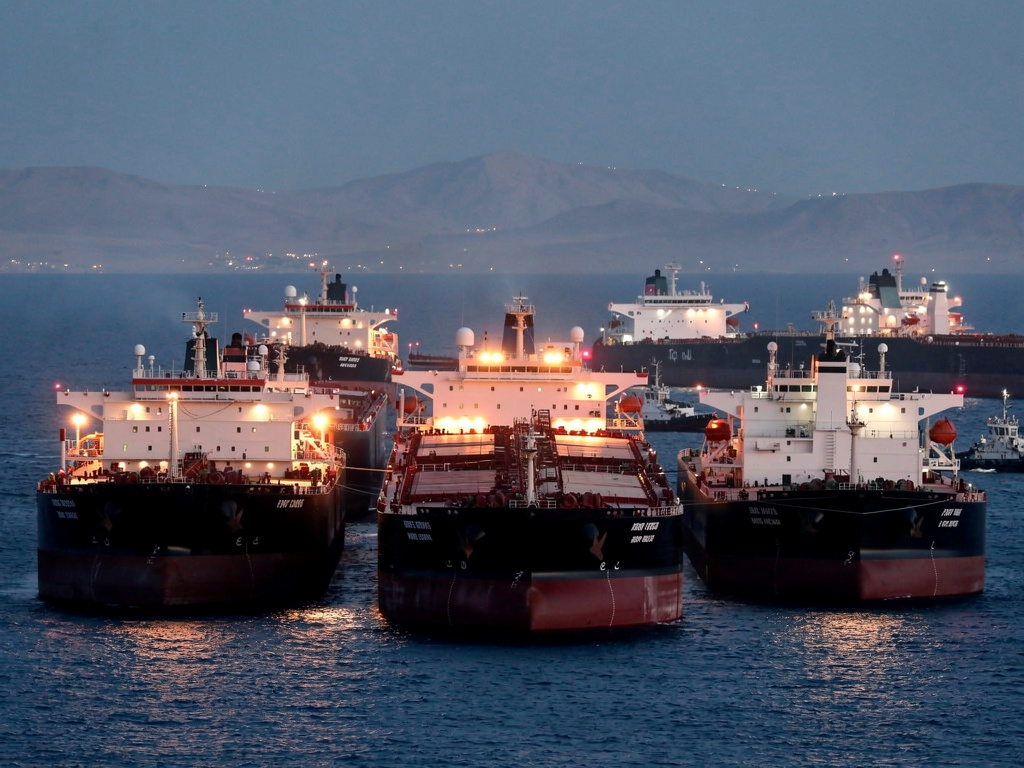
The Strait of Hormuz, a vital waterway for global oil shipments, has seen a significant slowdown in traffic due to the ongoing conflict between the US, Israel, and Iran. The strait, which connects the Persian Gulf to the Gulf of Oman and the Arabian Sea, is a critical artery for oil exports from countries such as Saudi Arabia, UAE, Iraq, Kuwait, Qatar, and Iran. Shipping giants like Maersk and Hapag-Lloyd have suspended all shipments through the strait, leading to a spike in oil prices. Experts warn that a prolonged disruption could lead to a significant increase in energy costs, potentially triggering a recession. While there are alternative routes for oil exports, they can only accommodate a fraction of the volume that passes through the Strait of Hormuz.
Entities: Strait of Hormuz, Iran, US, Israel, Persian Gulf • Tone: neutral • Sentiment: negative • Intent: inform
03-03-2026
The article discusses the potential consequences of the Strait of Hormuz closure by Iran on global energy markets, particularly in Asia. The Strait is a vital artery for global oil trade, with 13 million barrels per day passing through it in 2025. A prolonged closure would lead to a surge in oil prices, with some analysts predicting oil crossing $100 per barrel. Countries in Asia, such as Thailand, India, Korea, and the Philippines, are expected to be heavily impacted due to their high import dependence. The article also highlights the vulnerability of South Asia, particularly Pakistan and Bangladesh, due to their limited storage and procurement flexibility. China, while having a large exposure, has sufficient buffers in terms of stockpiles and alternative supply. The article concludes that the closure would have significant economic implications for countries reliant on Gulf energy and shipments via the Strait of Hormuz.
Entities: Strait of Hormuz, Iran, Asia, Oman, Kpler • Tone: neutral • Sentiment: negative • Intent: inform
03-03-2026
The article discusses the impact of the US-Iran war on oil and gas prices, global stock markets, and the economy. Oil and gas prices surged as financial markets reacted to the war, with Brent crude oil rising by 13% to $82 per barrel. Some sectors, such as energy and defence, helped limit losses in global stock markets. The duration of disruption from the war will determine the extent of the impact on the global economy. The article also highlights the potential consequences for household bills, petrol prices, and the outlook for the economy.
Entities: US, Iran, Qatar, Middle East, UK • Tone: neutral • Sentiment: negative • Intent: inform
03-03-2026
The article discusses the significant implications of the Iran conflict on the global economy, particularly on energy prices and supplies. The war in the Gulf region is threatening global growth due to the concentrated supply of energy resources in the Arabian Gulf. The disruption to hydrocarbon supplies, including oil, gas, fertilizers, and plastics, has outsize importance due to the region's dominance in global energy production. The Strait of Hormuz, a critical maritime corridor, is a major concern as it is bordered by Iran, raising questions about the ease of procuring essential energy ingredients. The shutdown of Qatar's Ras Laffan facility, the largest gas terminal on the planet, has significant market implications. The article concludes that the UK economy is likely to be impacted, with potential consequences for gas prices and bills.
Entities: Iran, Arabian Gulf, Strait of Hormuz, Qatar, Ras Laffan facility • Tone: analytical • Sentiment: negative • Intent: inform
03-03-2026
The escalating war in the Middle East has disrupted oil shipments and natural gas production, causing a surge in energy prices in Europe. The European Union, already struggling with high energy costs due to sanctions on Russia, is facing further strains on its industry. Analysts warn that the EU's reliance on imported fossil fuels makes it vulnerable to geopolitical shocks and urge the EU to accelerate its transition to renewable energy. The continent's benchmark natural gas price rose by over 40% amid reports of supply disruptions. Qatar's state-owned QatarEnergy suspended liquefied natural gas production following 'military attacks' on its facilities. The EU's low storage levels of natural gas at the end of February exacerbate the situation, potentially complicating supply planning and increasing industrial energy costs.
Entities: Europe, Iran, Israel, United States, Qatar • Tone: neutral • Sentiment: negative • Intent: inform